
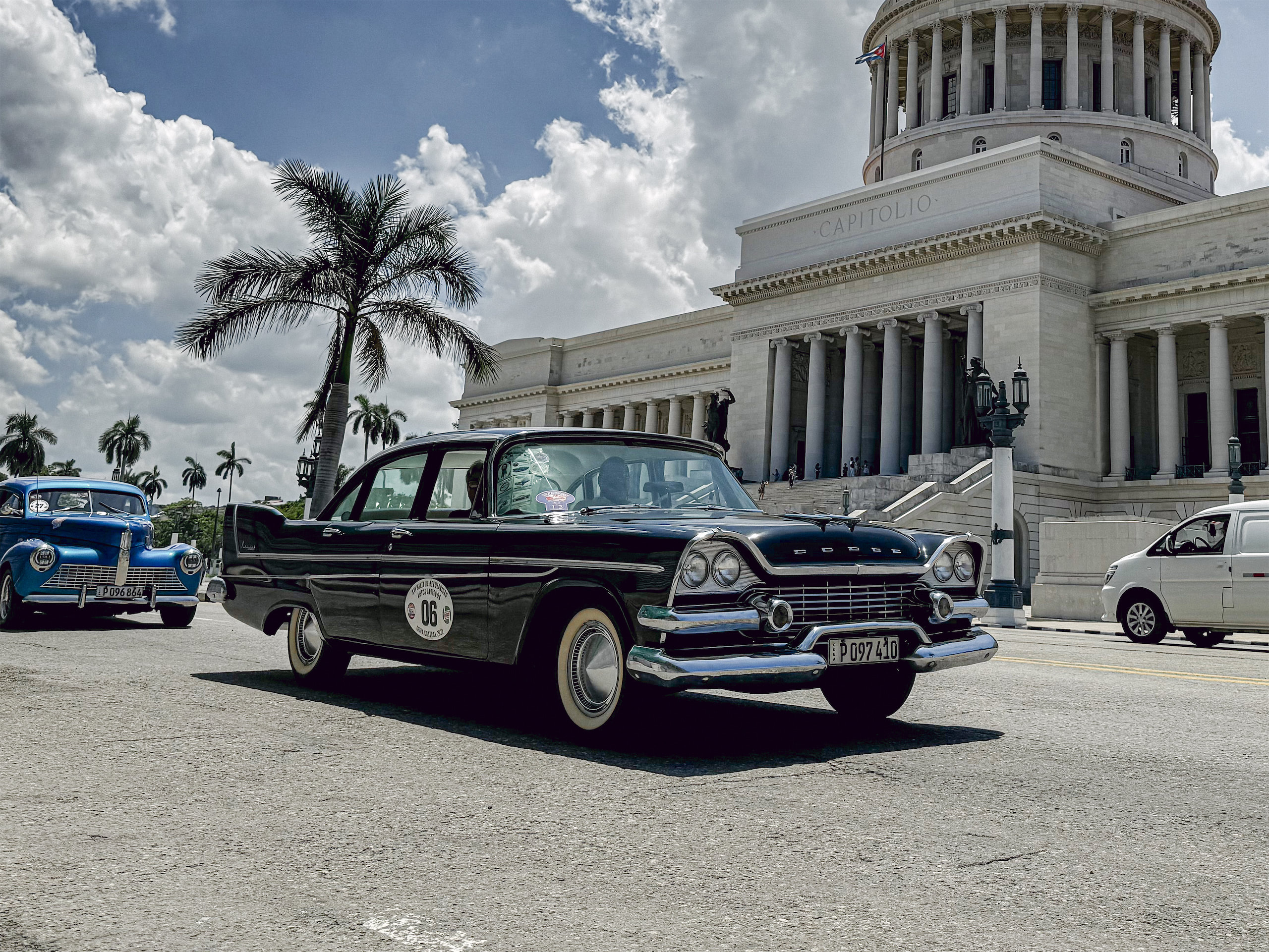
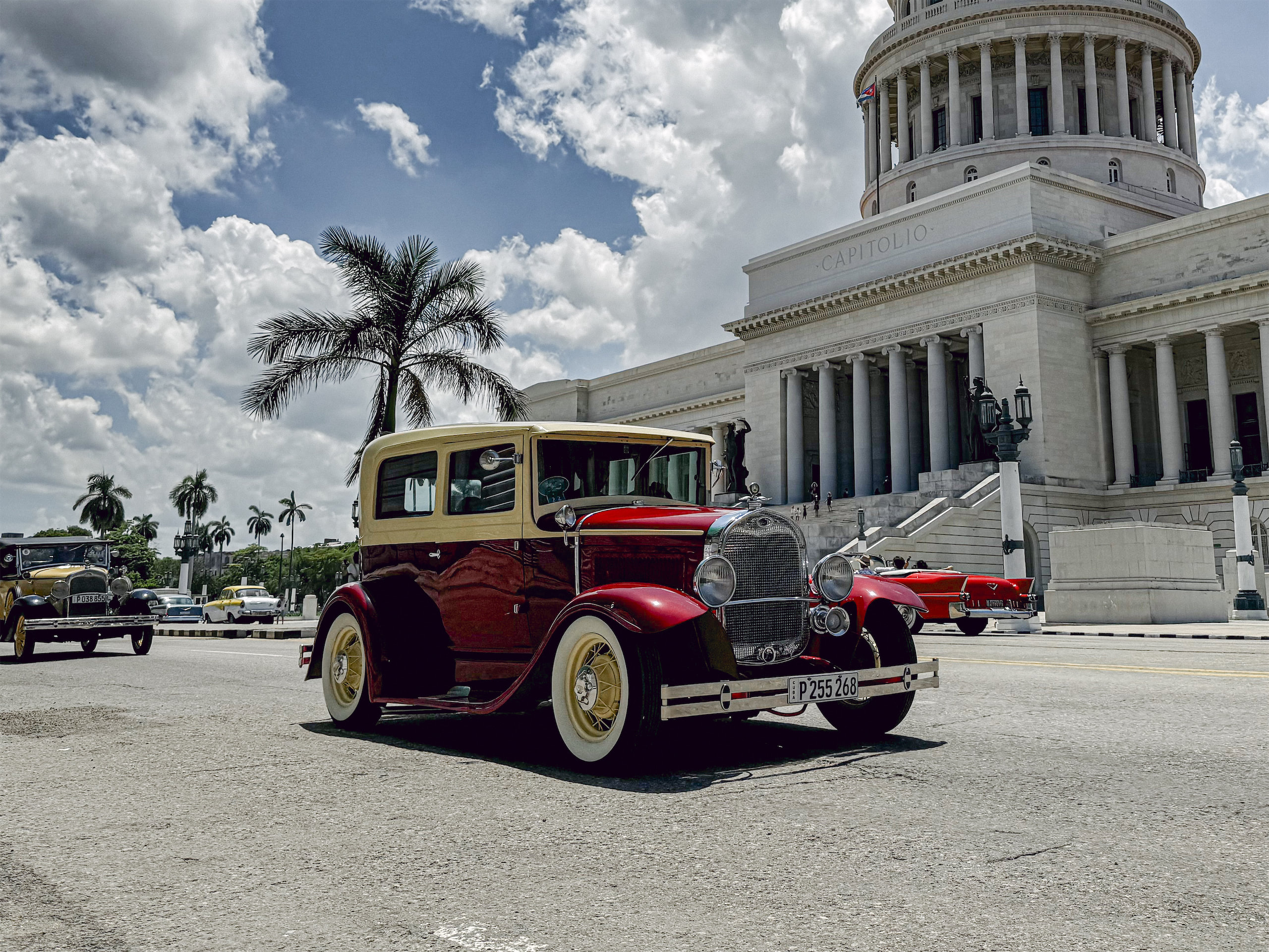
Dodge Kingsway – 1958
The 1958 Dodge Kingsway positioned itself as a high-value option within the Chrysler range. It stands out for being powered by the "Super Red Ram" V8 engine, a powerplant known for its excellent balance of power and smooth operation. Its imposing body, preserved in a classic black color and in 100% original condition, reflects the typical design of the era, with large dimensions and generous chrome trim. Inside, passengers enjoy a spacious cabin capable of comfortably accommodating six occupants. The fabric or vinyl seats and the detailed instrument panel emphasize functionality and comfort. This model is popular for offering features found in more premium brands at a more accessible price. The soft suspension and optional power steering make long journeys a pleasant experience. Its presence on the road is unmistakable, with a dominant chrome grille and dual headlights. Preserving one in completely original condition is a living testimony to automotive history. For all these reasons, the 1958 Kingsway is a highly appreciated classic for those seeking authenticity.
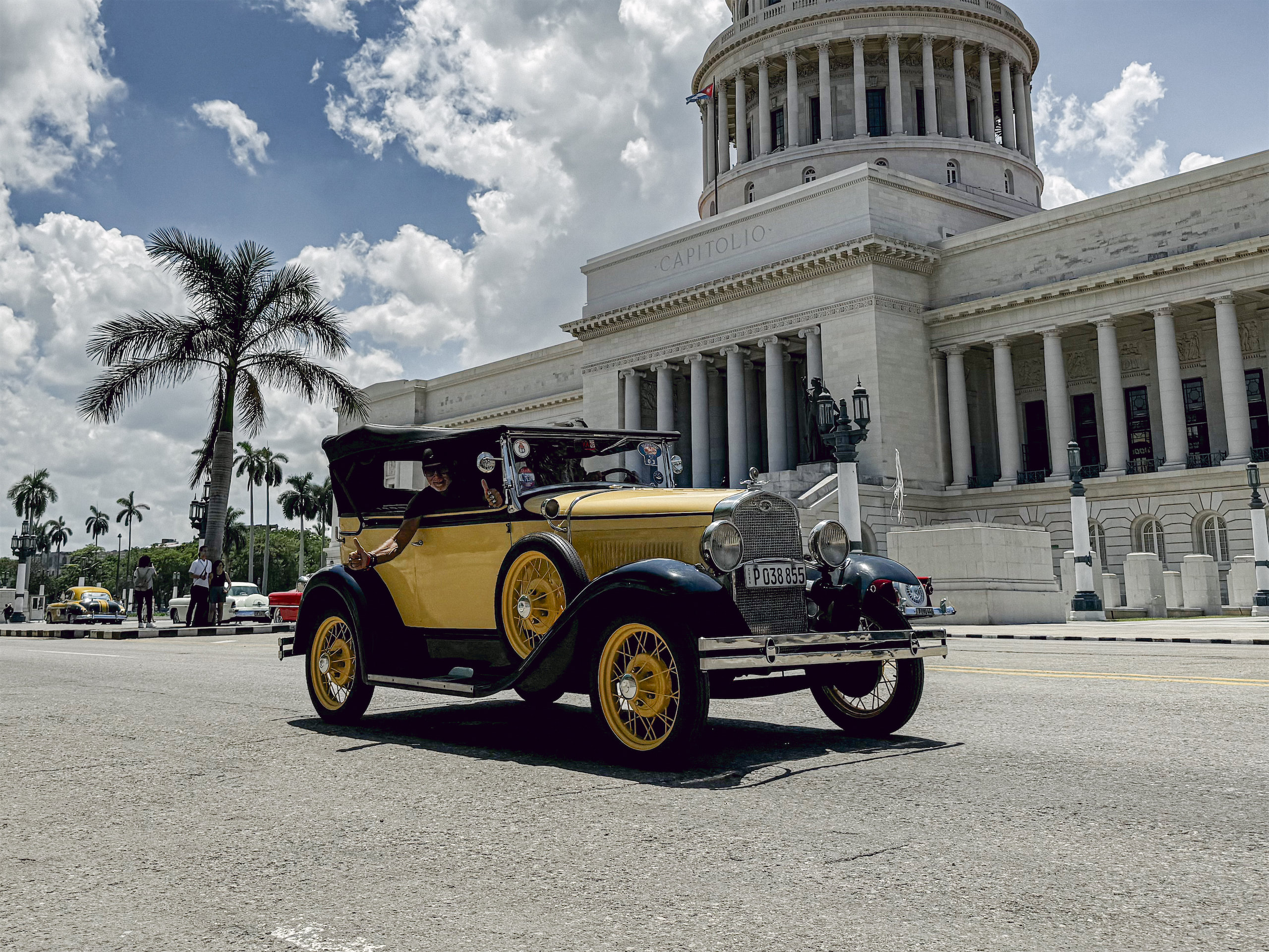
Ford Model A – 1931
The 1931 Ford Model A established itself as the successor that modernized and saved Ford from the Model T's obsolescence. Its more rounded and contemporary design for the era includes a body in a very characteristic 1930s beige tone. The two-door "no-pillar" version offers a clean, continuous profile when the doors are closed. The black canvas top provides a versatile driving experience: A coupe and a convertible. The heart of the car is its reliable inline four-cylinder engine, which remains the original, delivering around 40 horsepower. Its interior is typically upholstered in simple yet durable materials. Original elements are maintained, such as the steering wheel, instruments, and door handles, which are iconic design pieces of this model. Preserving a car with 80% original components is an exceptional testament to its history and care. This level of authenticity makes it extremely valuable for purist collectors.
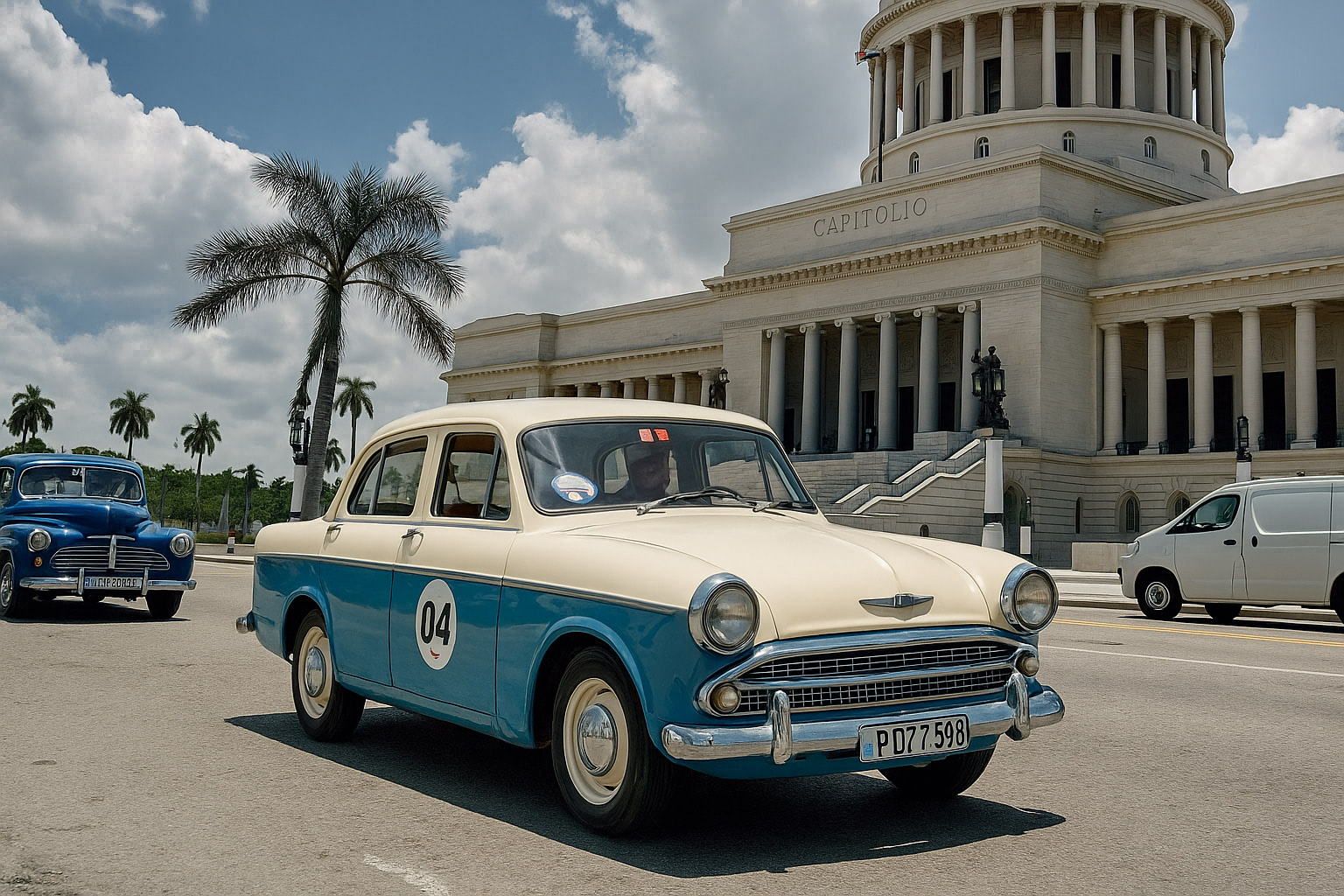
Hillman Minx – 1959
The 1959 Hillman Minx positioned itself as an accessible family car with a contemporary design for its time. Its powerplant is the 1.4-liter (1390 cc) "Series II" engine, an inline-four with a cast iron block and head that produced around 49 horsepower. This engine is renowned for its robustness, smooth operation, and remarkable fuel economy. The four-door sedan body features an elegant two-tone combination of blue and white, with rounded lines giving it a robust appearance. The interior is a trip back in time, preserving the original checkered fabric on the seats, a very popular textile pattern in the 1950s. Elements like the steering wheel, instrument panel, and door handles maintain the brand's functional and simple design. The driving experience is characterized by a soft suspension with semi-elliptical leaf springs, clearly prioritizing comfort over sports performance. This model represents the essence of the post-war European family car: practical, economical, and durable. Preserving a specimen with all these original details, especially the upholstery and the engine, is a notable achievement for any collector. The 1959 Hillman Minx remains, therefore, a symbol of a charming and straightforward motoring era.
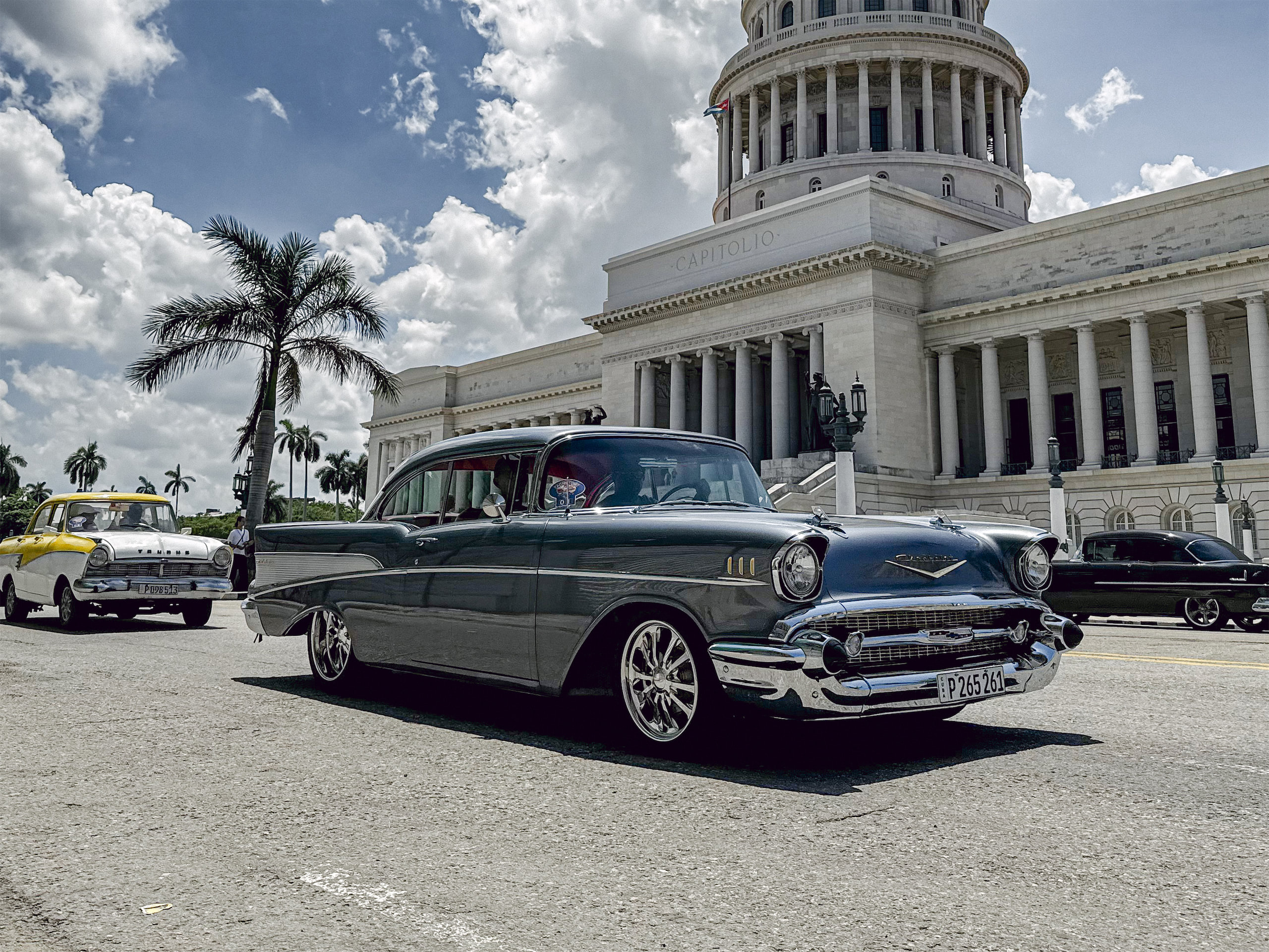
Chevrolet Bel Air – 1957
This 1957 Chevrolet Bel Air Hardtop Coupé embodies the "Resto-Mod" philosophy, which combines classic aesthetics with modern technology. Its profile is unmistakable, featuring the "Hardtop" roofline, chrome tail fins, and a silver gray paint that accentuates its curves. The most significant modification lies in its engine bay, where a Corvette LS6 V8 delivers power and reliability far superior to the original. This engine swap also entails upgrades to the transmission, exhaust system, and cooling. Inside, the car features a complete customization, replacing the original fabric with a bold, full red vinyl upholstery. It also includes elements like a sports steering wheel, digital instruments, and a modern sound system. The 16-inch alloy wheels not only contribute a contemporary style but also allow for low-profile tires, improving handling. This combination of power and an updated chassis transforms it into a cult car with capabilities rivaling a modern supercar. While it loses authenticity, it gains immensely in driving enjoyment and presence. This Bel Air is, therefore, the perfect fusion of legendary 1950s style and 21st-century performance.
Ford Model A – 1929
This 1929 Ford Model A embodies the essence of a "Hot Rod," built with ingenuity and parts from around the globe. While its body remains recognizable, it typically undergoes modifications like chassis cuts and adjustments to accommodate the new mechanical components.The heart of the project is the engine swap for a Lada VAZ 2107 powerplant, a 1.6-liter inline four-cylinder famous for its extreme robustness and ease of maintenance. Mated to the engine is its original five-speed manual transmission, which is far more modern than the Ford's original unit.The air suspension system, with its compressor and interior controls, allows the car to be raised or lowered from inside, creating a spectacular visual effect. This structural transformation involves installing a highly modified chassis.The interior is customized with sport bucket seats and a control console for the suspension. A louder exhaust and upgraded brakes are necessary adaptations to handle the new power and driving style. This car completely abandons its historical collector value to become a pure expression of custom car culture.This 1929 Ford Model A is, ultimately, an example of how creativity can unite two very different automotive legends into a single vehicle.
Buick Invicta – 1959
Chevrolet Impala – 1958
Ford Model A – 1929
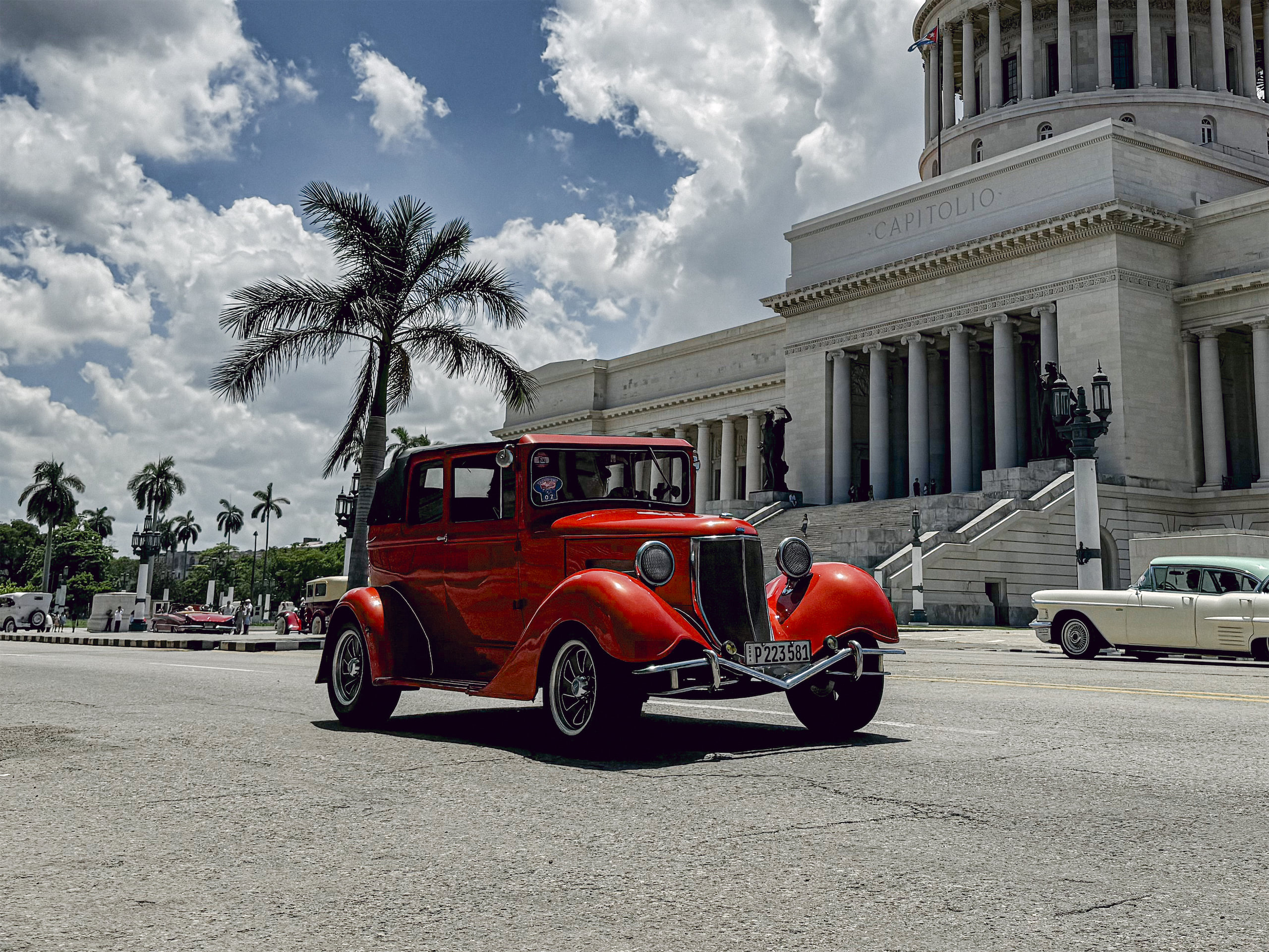
Ford Model A – 1928
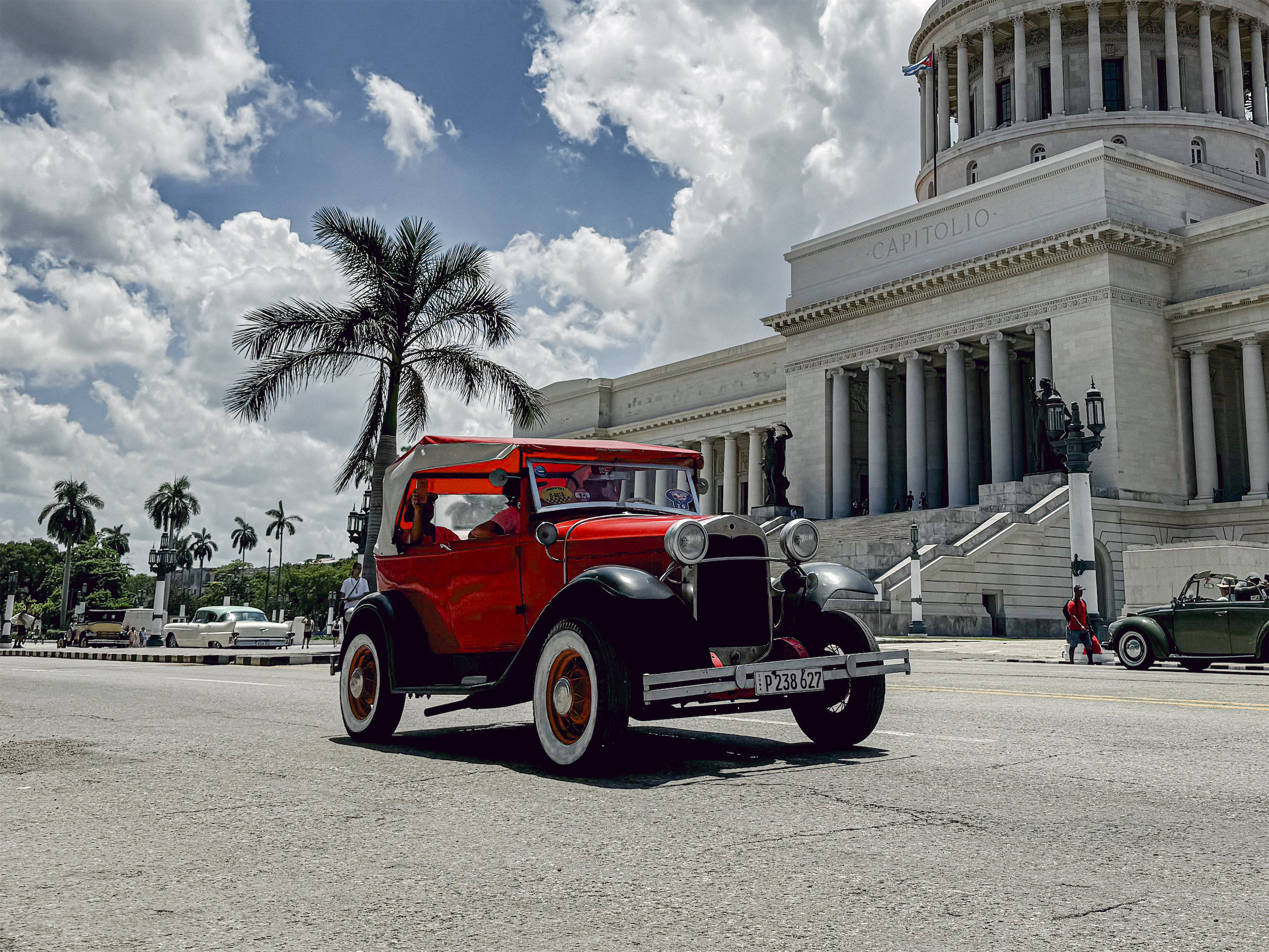
Ford Model A – 1930
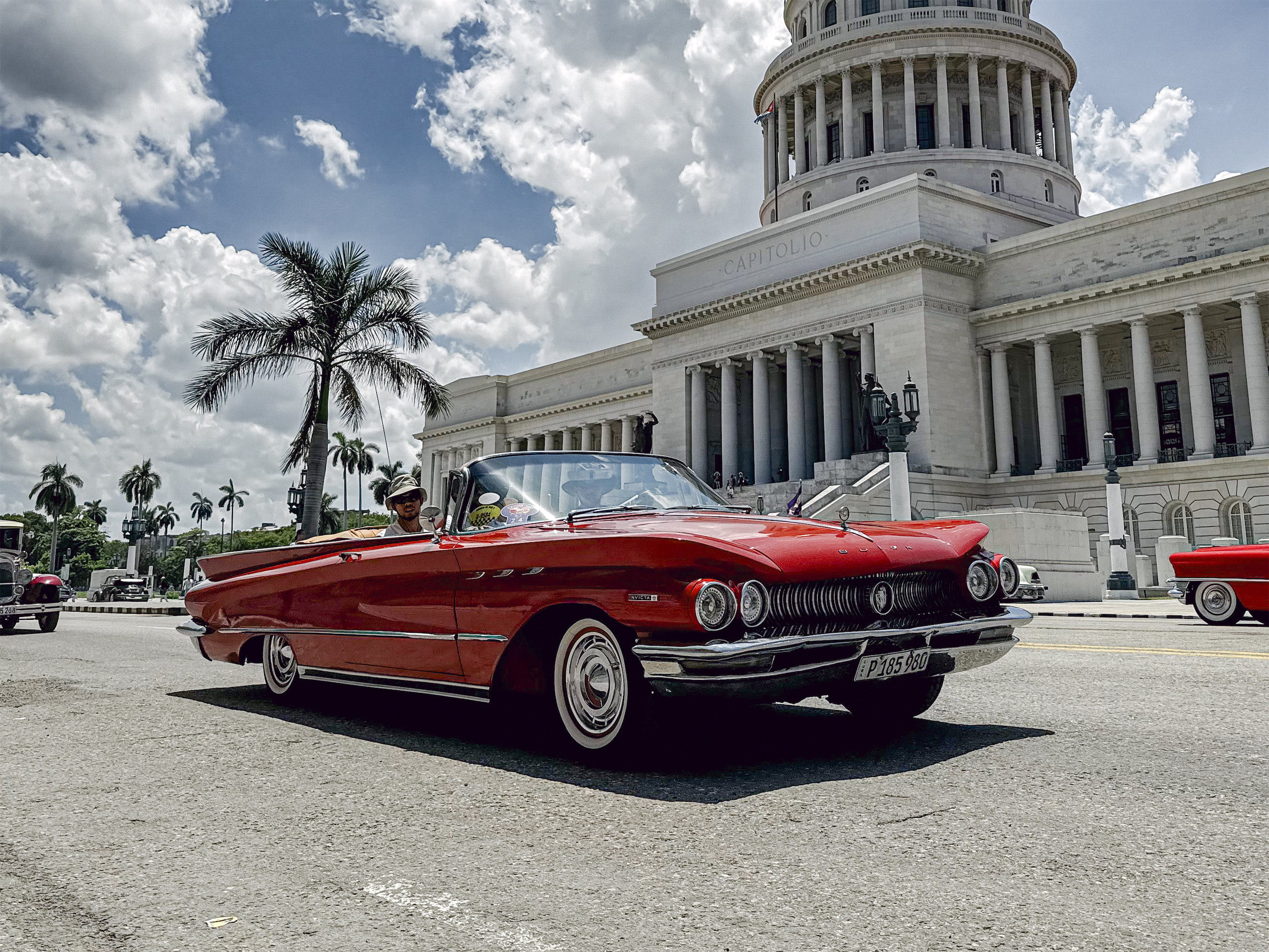
Buick Invicta – 1960
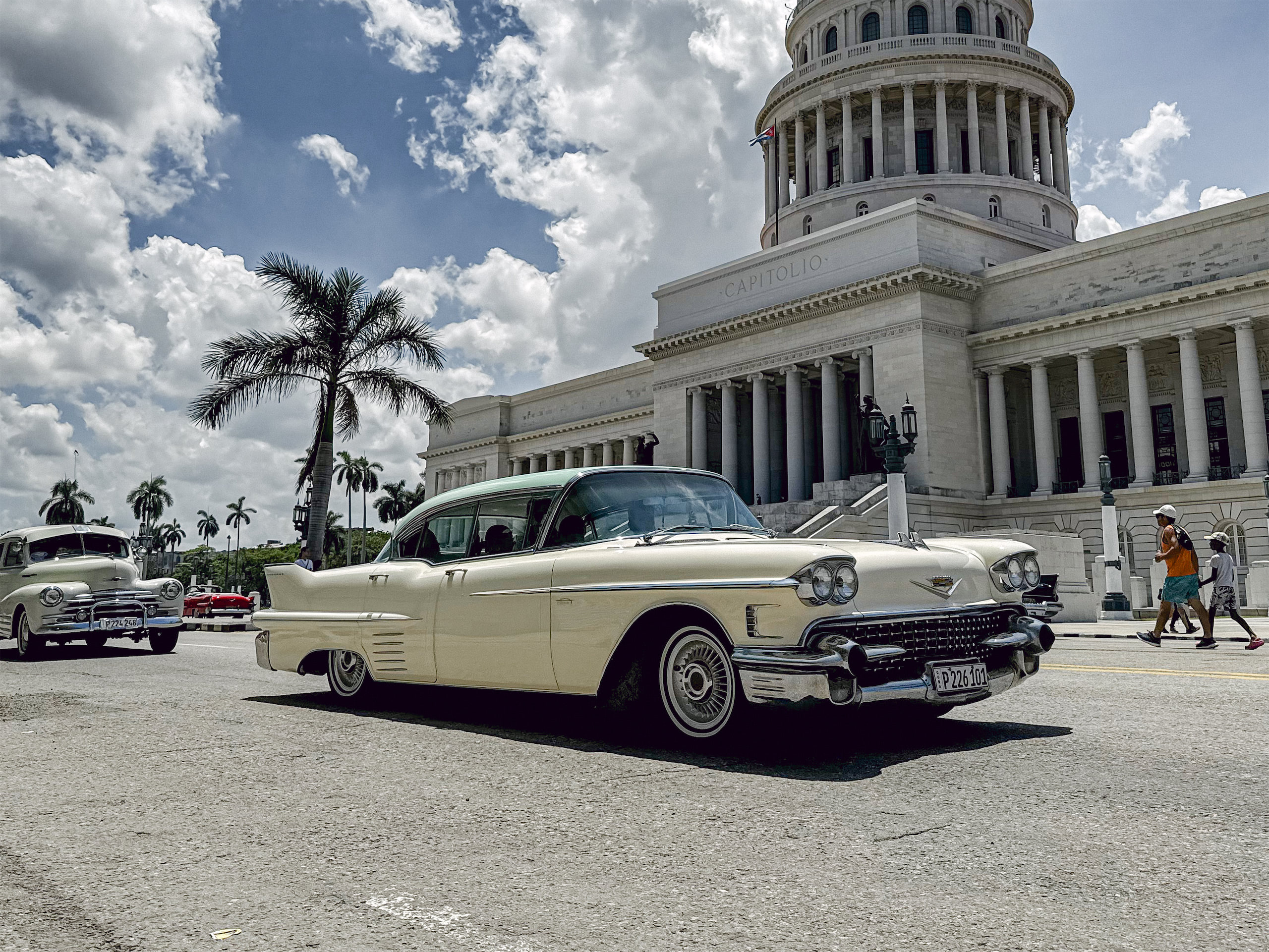
Cadillac Serie 62 – 1958
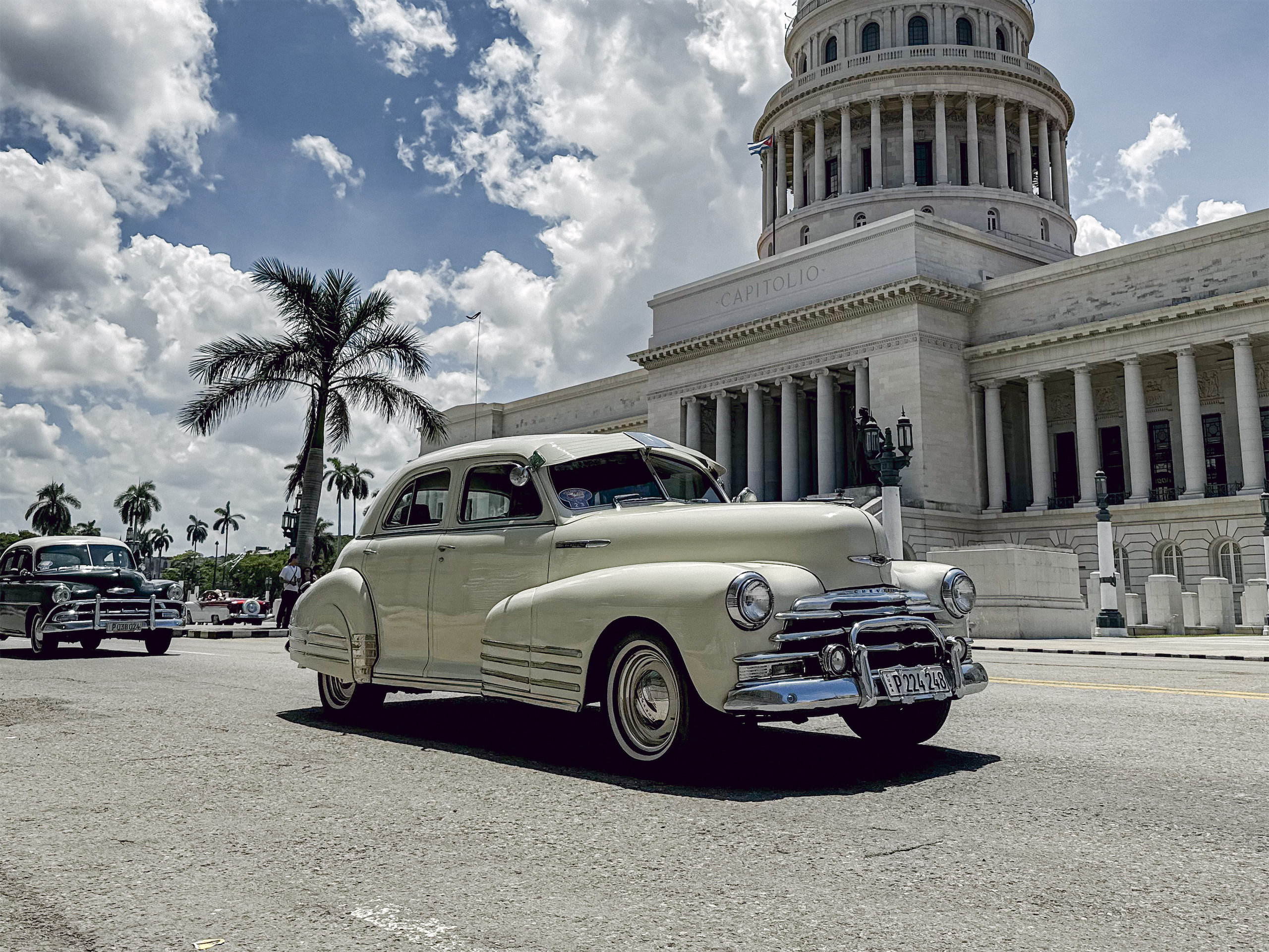
Chevrolet Fleetmaster – 1947
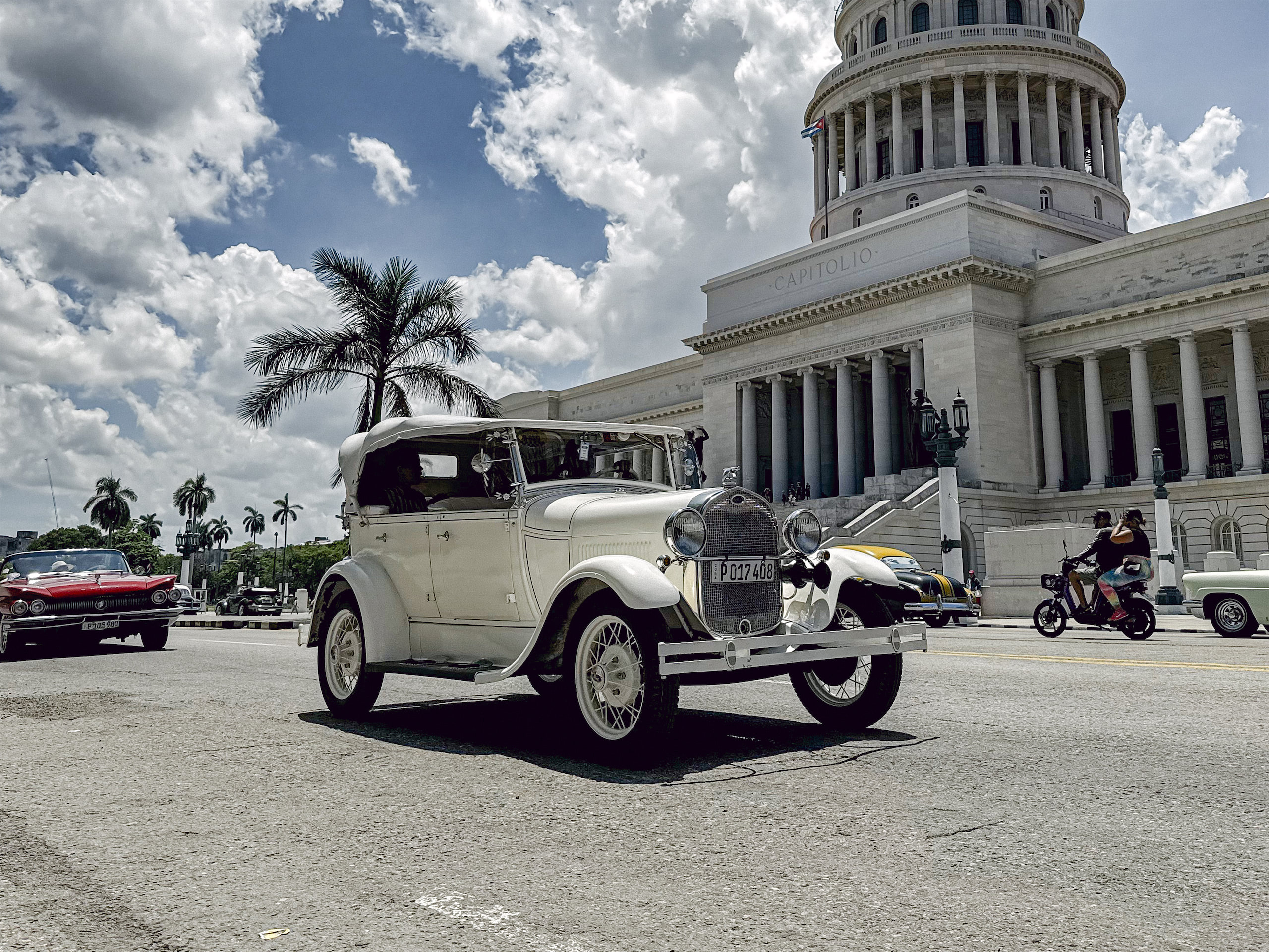
Ford Model A – 1929
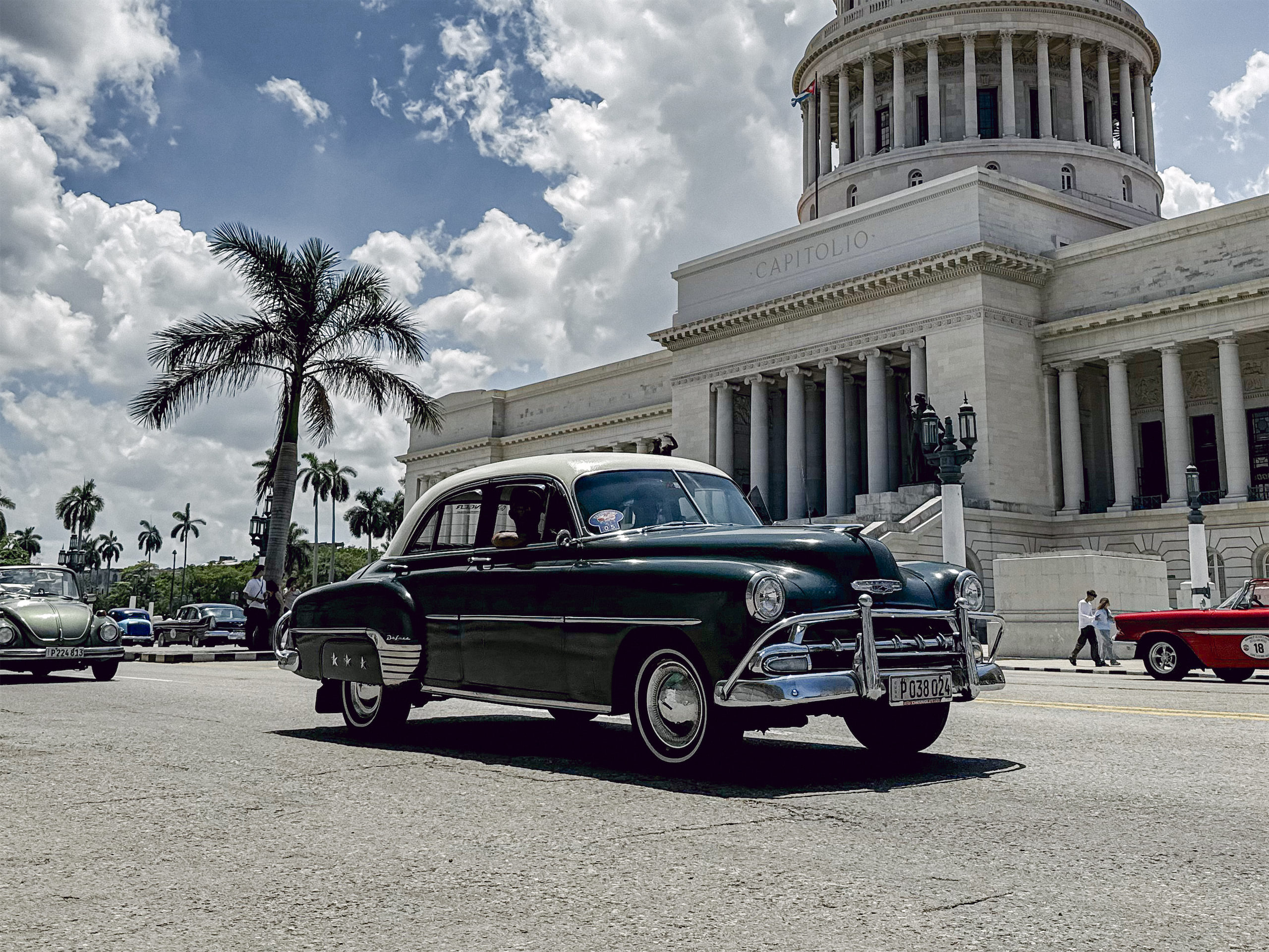
Chevrolet Deluxe – 1952
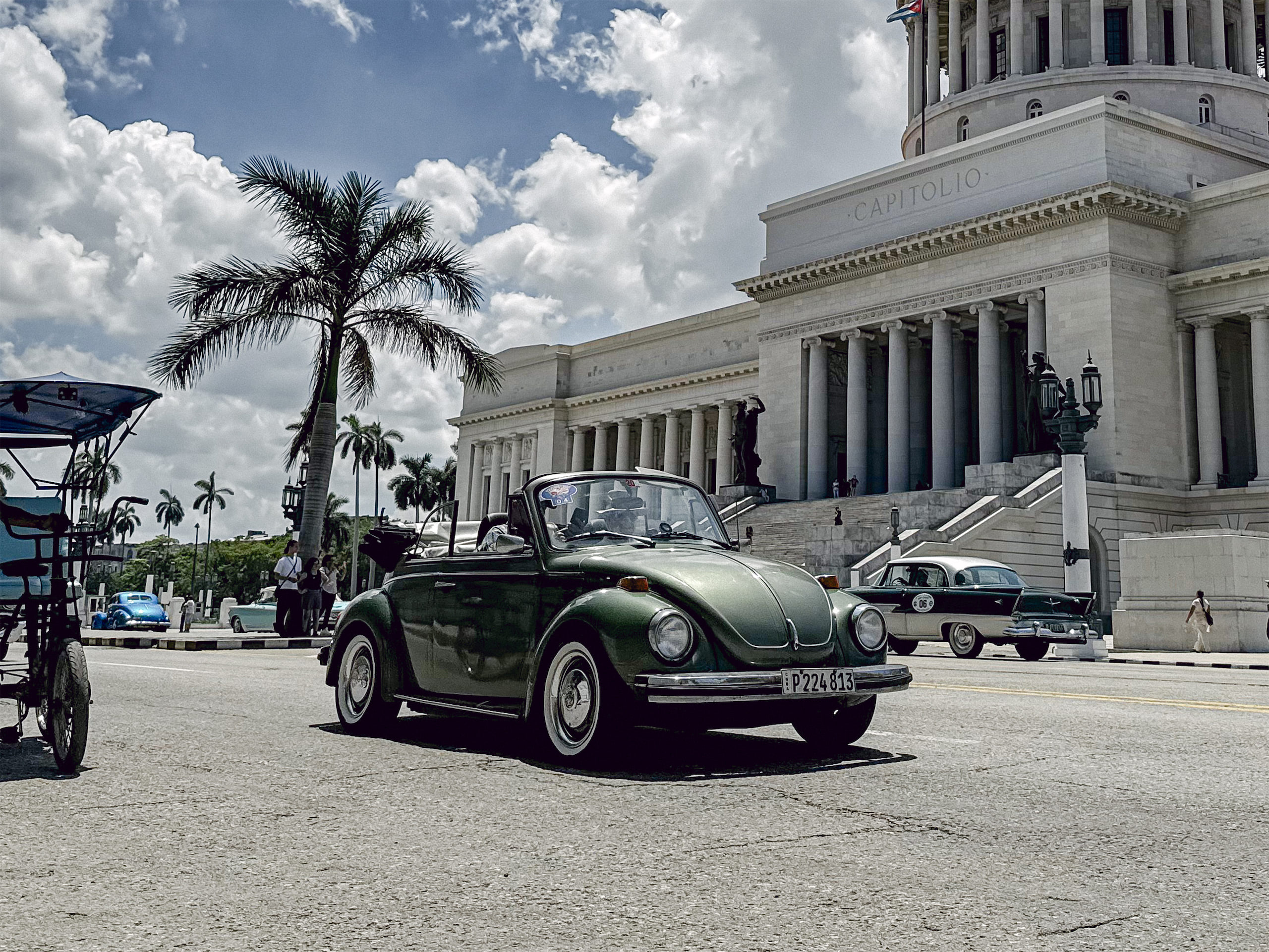
VW Super Beetle – 1974
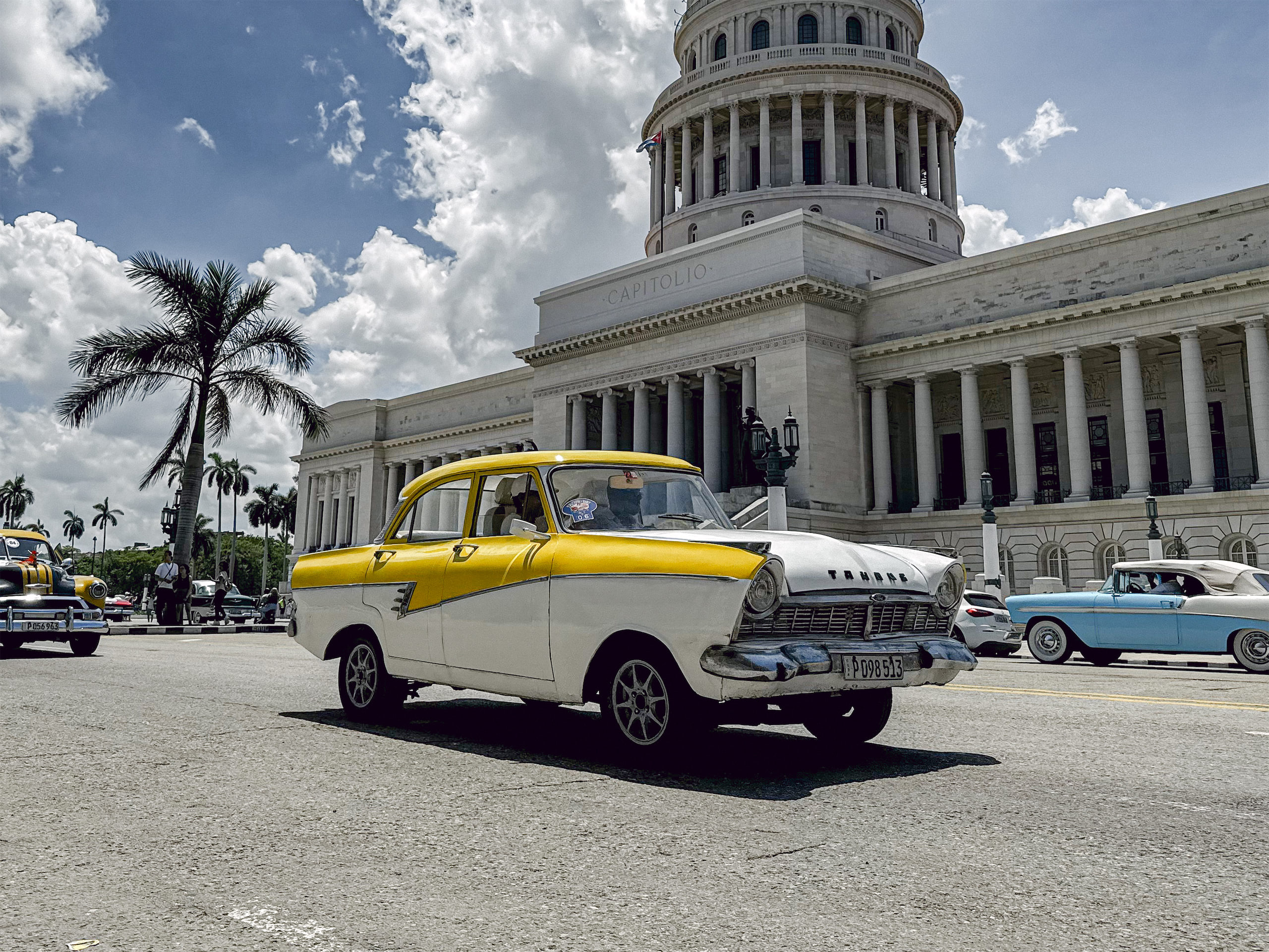
Ford Taunus – 1960
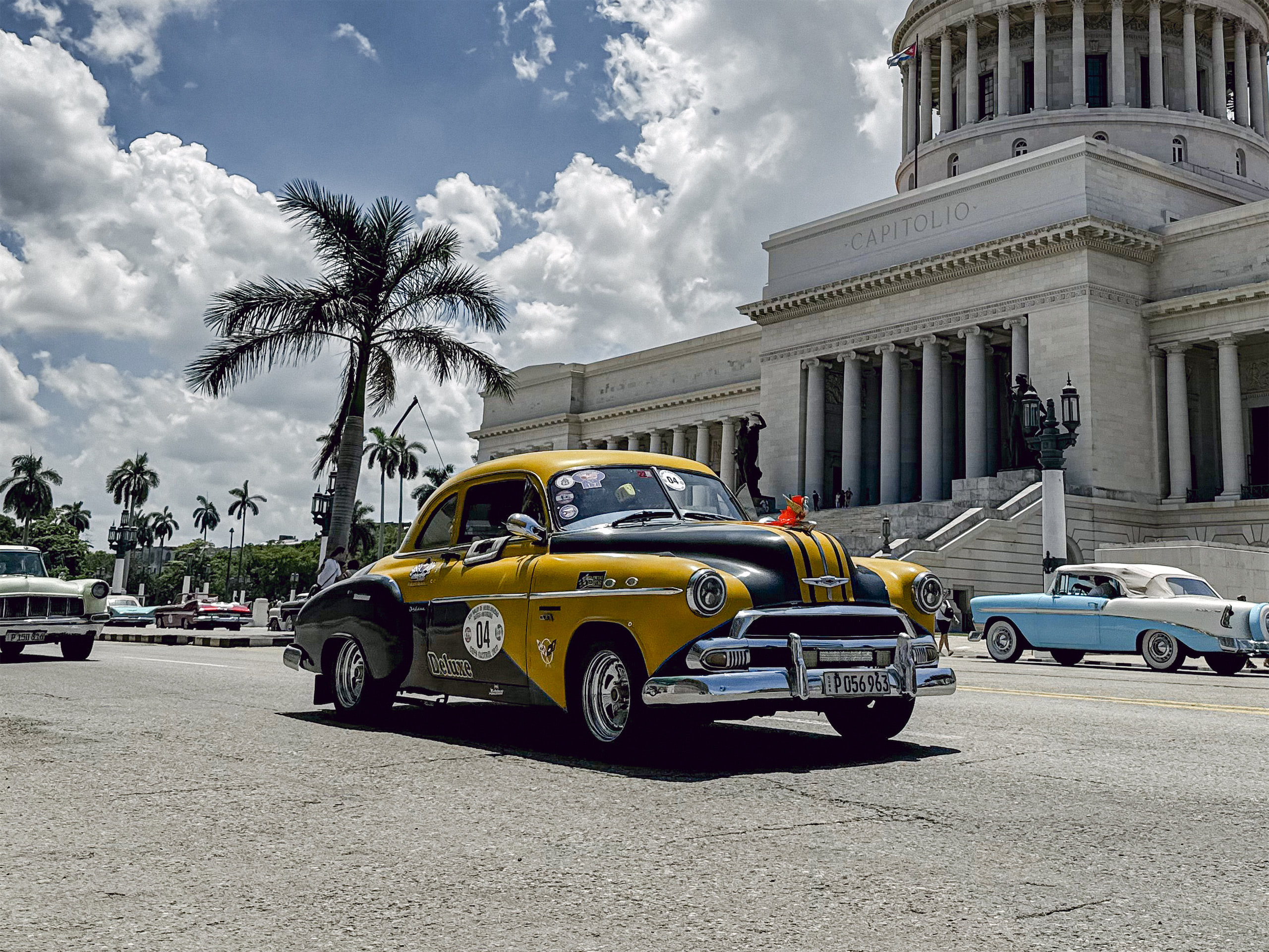
Chevrolet Styleline Especial – 1950
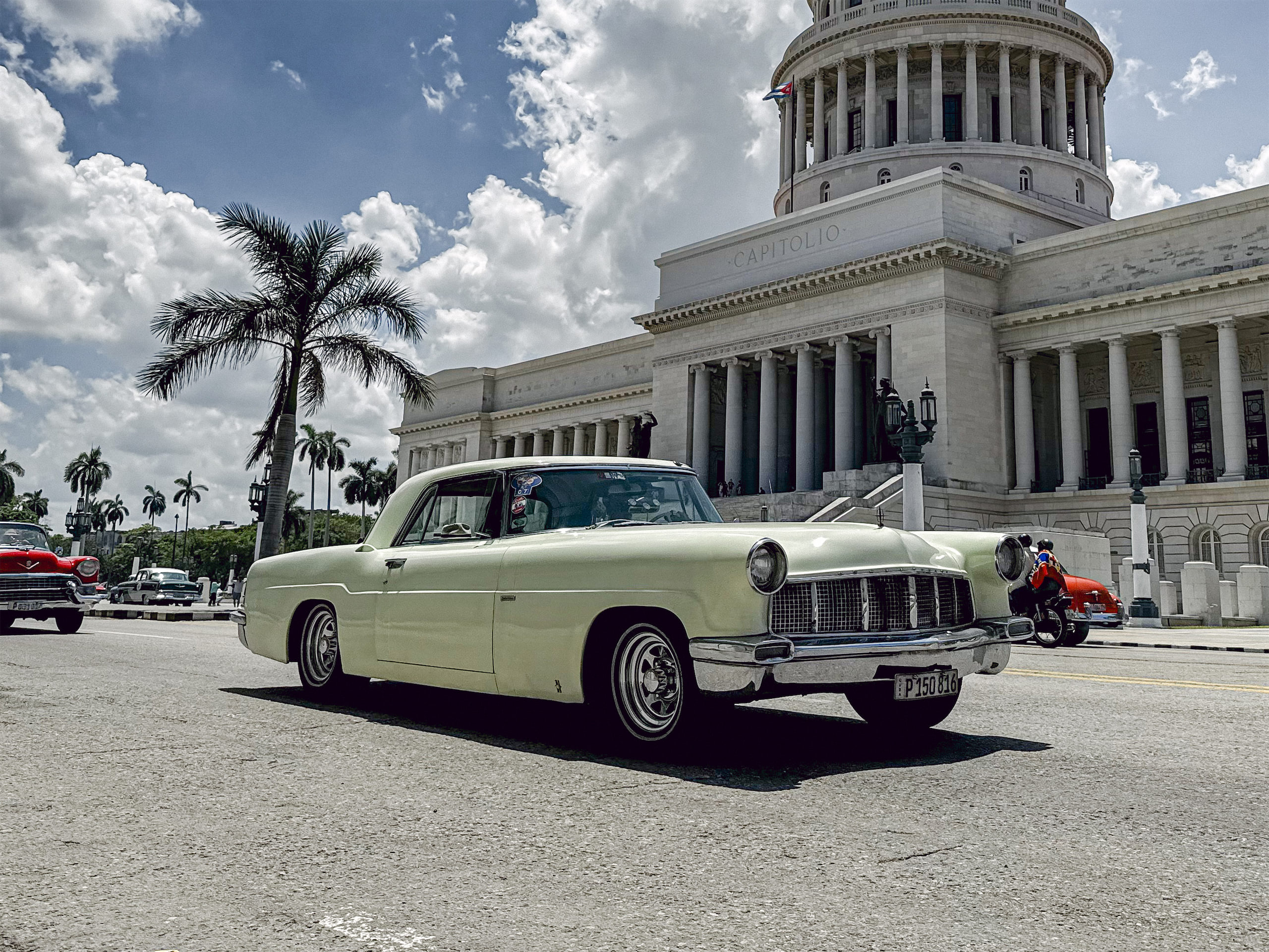
Lincoln Continental Mark II – 1956
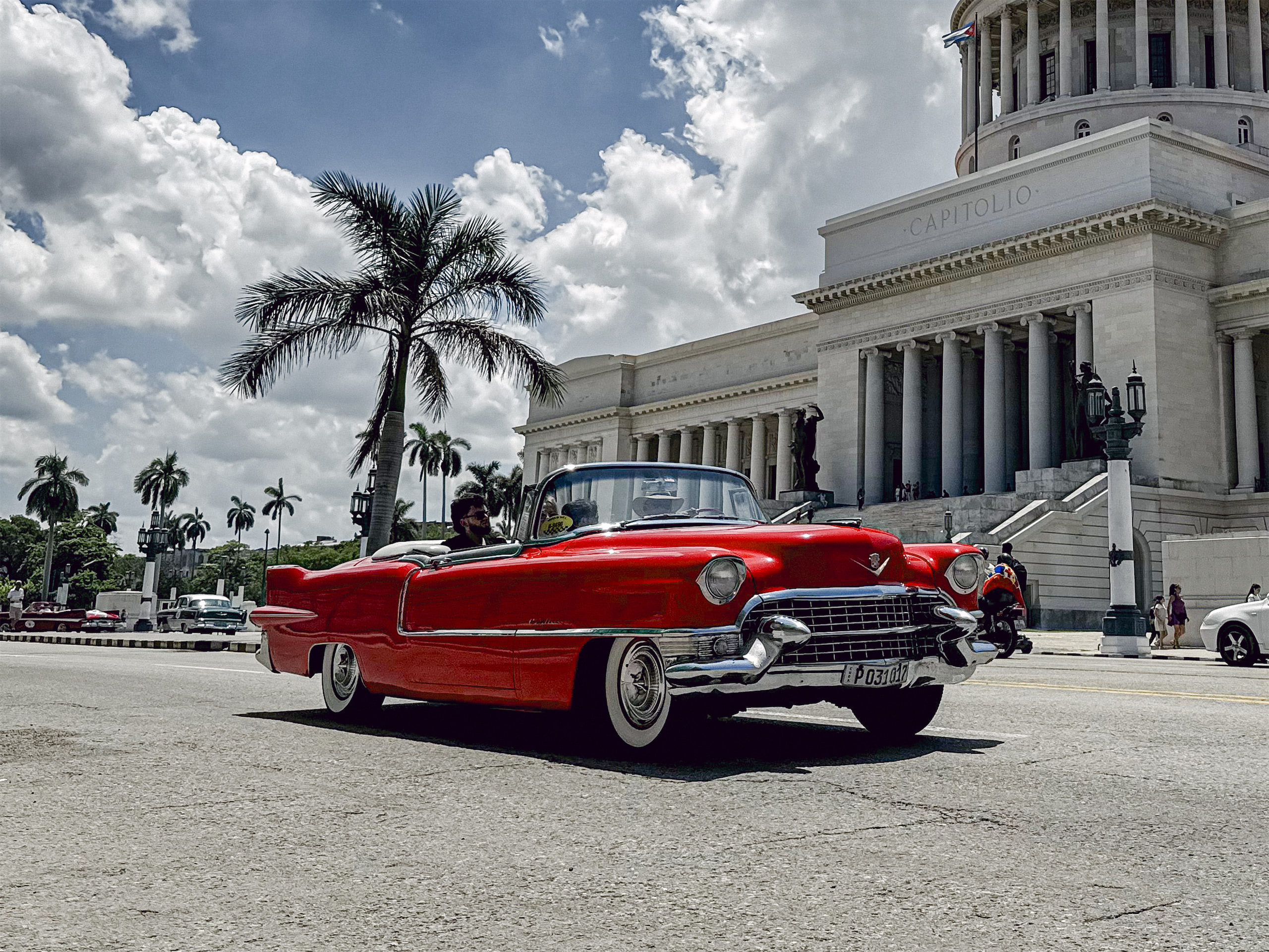
Cadillac Eldorado – 1955
Ford Fairlane – 1956
Austin Model A 40 – 1951
Studebaker Champion – 1941
Buick Electra – 1959
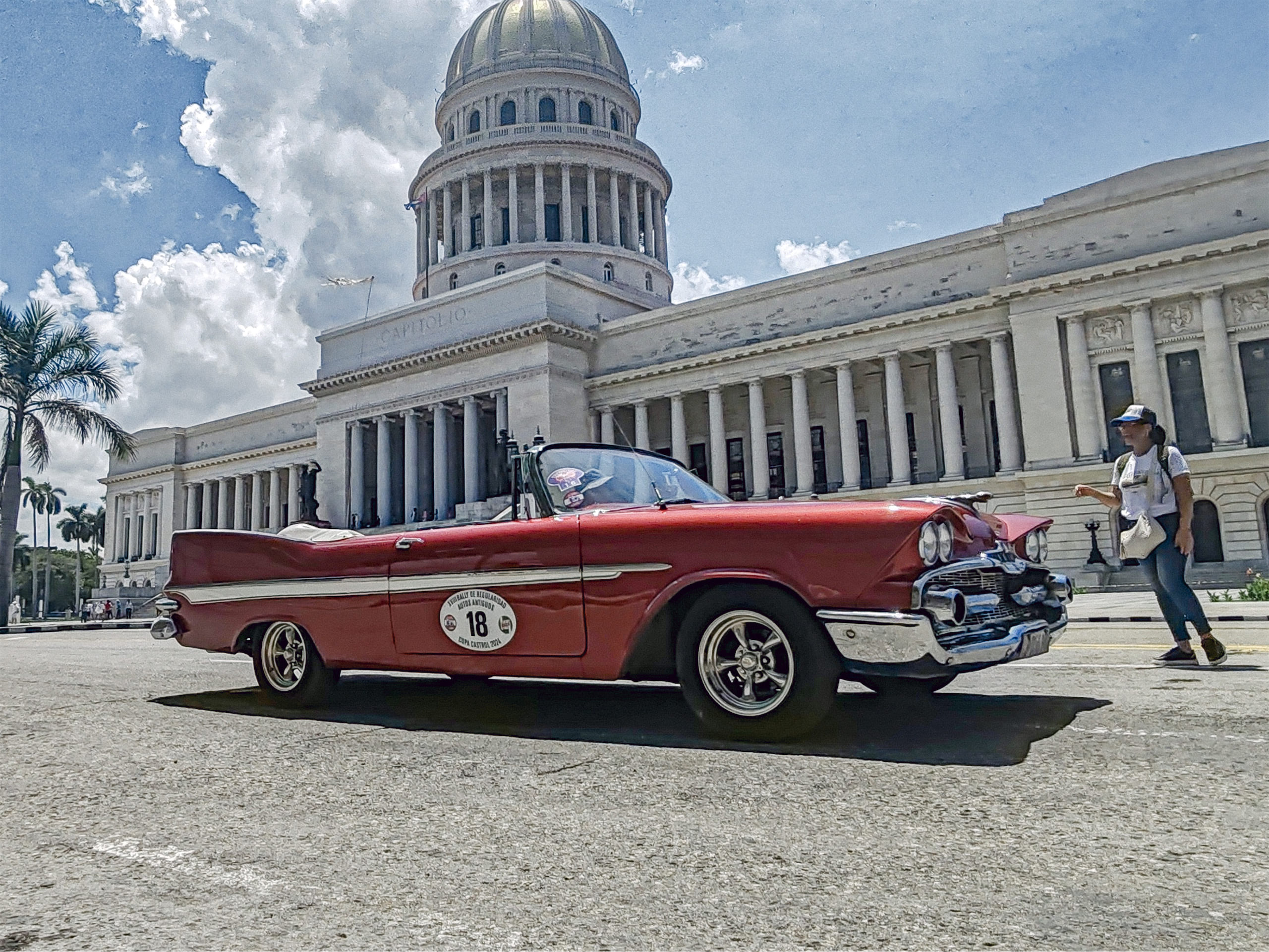
Dodge Mayfair – 1959
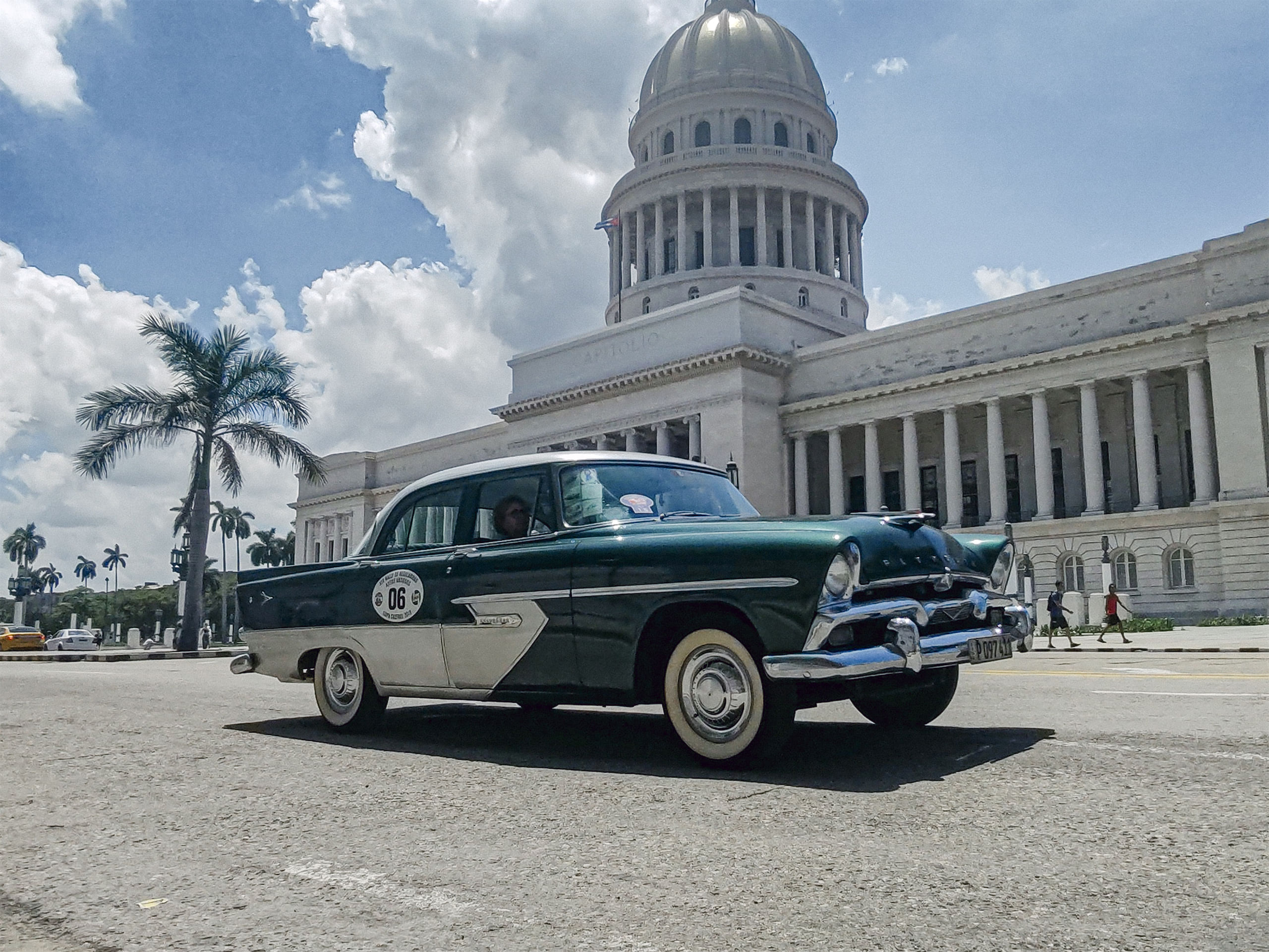
Plymouth Belvedere – 1956
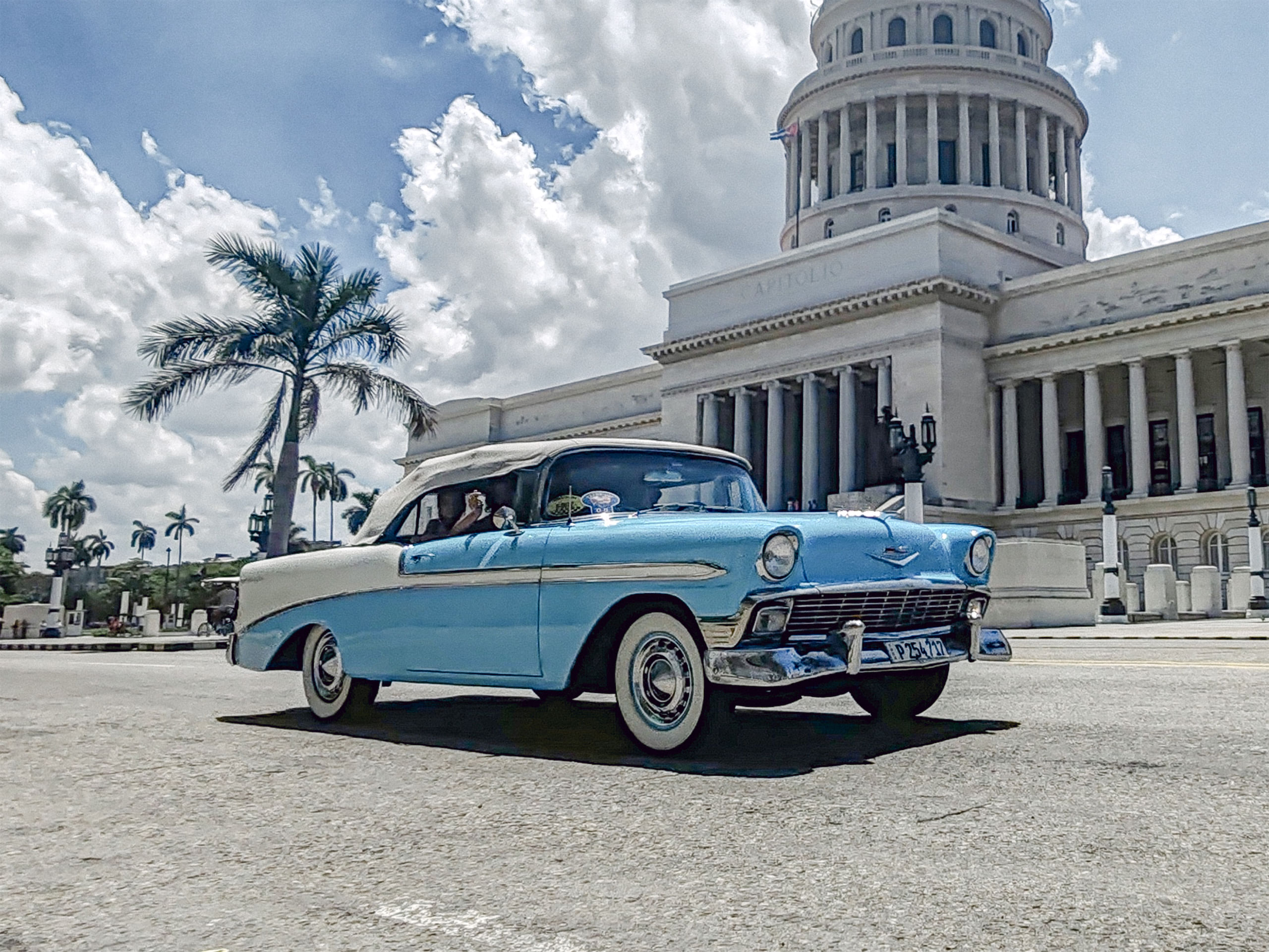
Chevrolet Bel Air – 1956
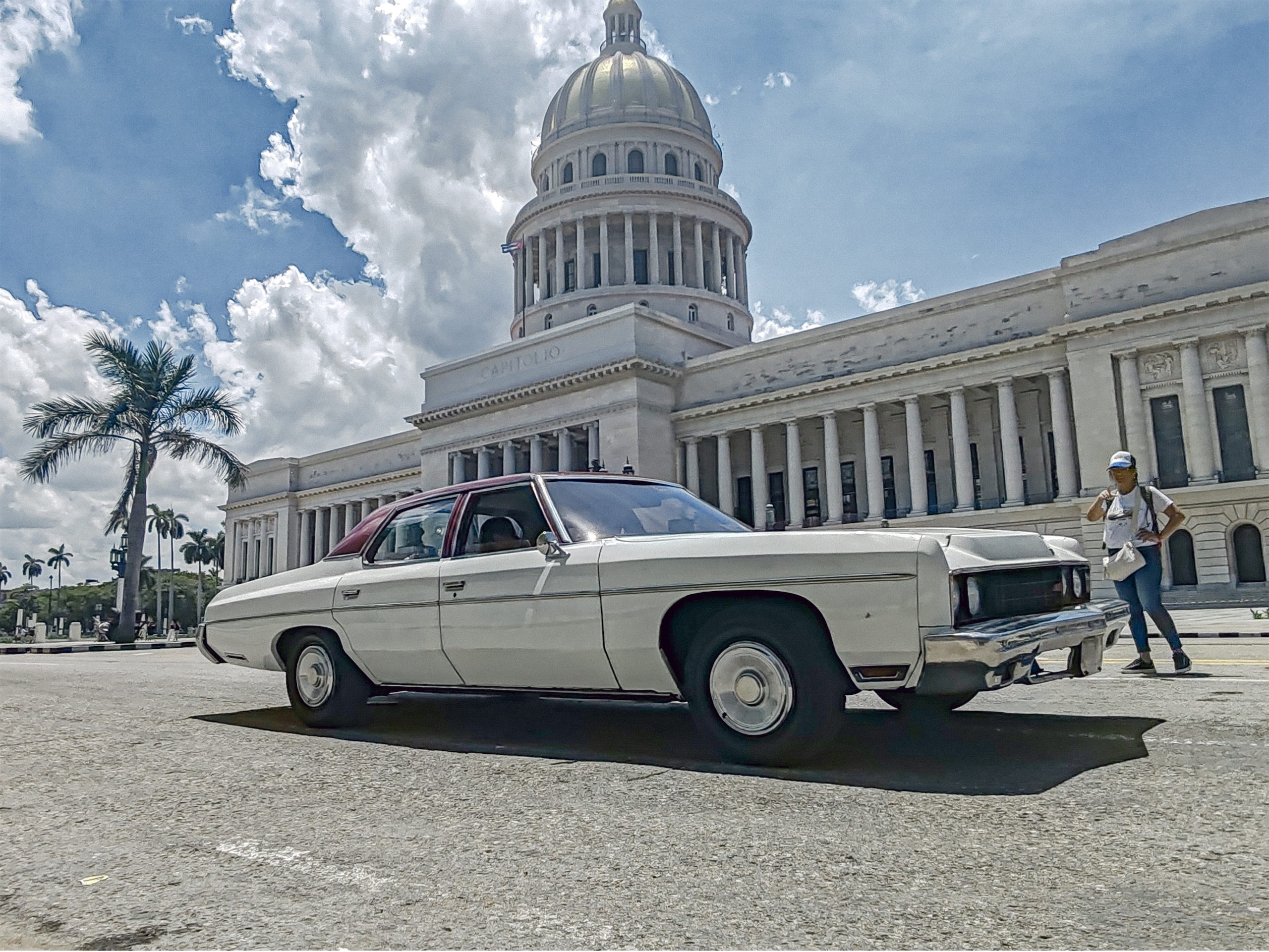
Chevrolet Impala – 1973
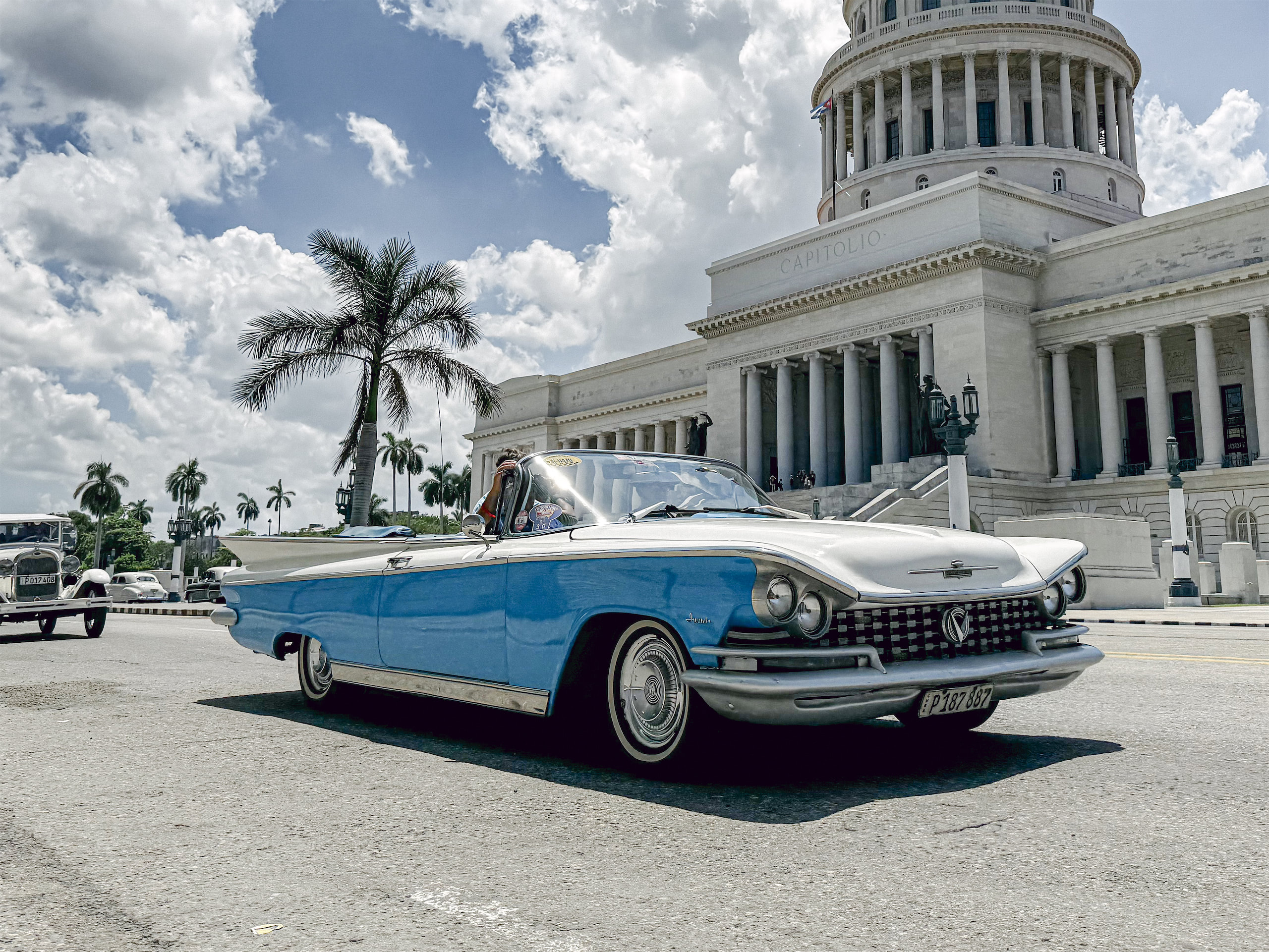
Buick Invicta – 1959
The 1959 Buick Invicta stands as one of the most emblematic models of the late-1950s tailfin design. Its two-door convertible body, with its very long hood and short trunk, presents an unmistakable silhouette filled with chrome. The blue and white paint combination accentuates its dramatic lines and its enormous rear fins, which resemble airplane wings. Under the hood resides the 364 cubic inch Nailhead V8 engine. This powerplant, known for generating enormous torque at low revolutions, delivers smooth and quiet power, typical of American luxury. As a convertible, the Invicta offers a unique driving experience, allowing you to enjoy the sound and sensation of power in the open air. Its interior is a sanctuary of comfort, with wide seats, rich materials, and Buick's characteristic "canned ham" dashboard. The soft suspension and power steering turn every journey into a floating, pleasant cruise. This model embodies the optimistic attitude and technological exuberance of post-war America. The 1959 Buick Invicta remains, for all these reasons, a supreme symbol of the automotive excess and ambition of its decade.
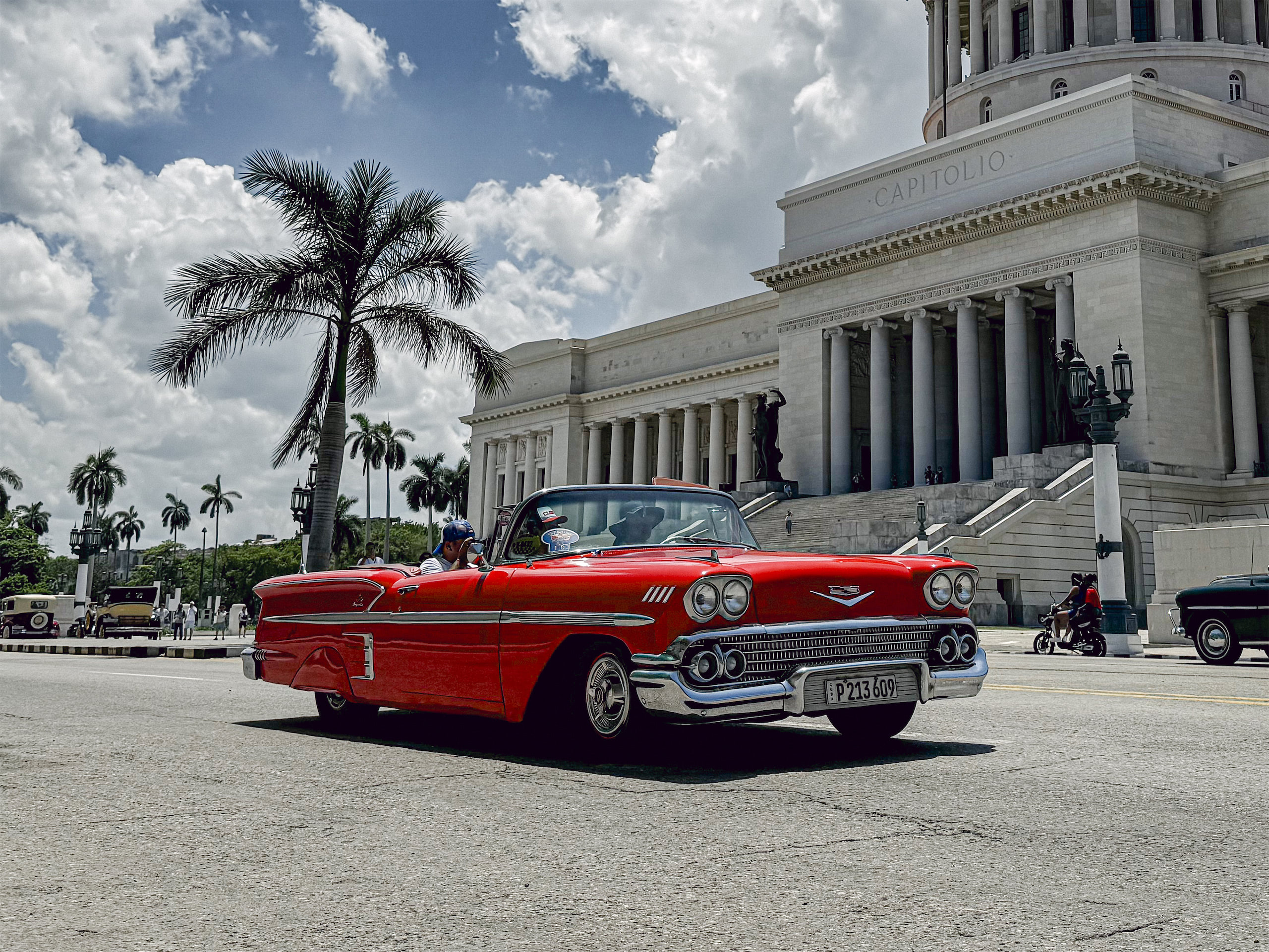
Chevrolet Impala – 1958
The 1958 Chevrolet Impala made its debut not just as a new model, but as the first emblem of a new lineage within Chevrolet. Its low and wide silhouette, with a chrome side spear that mimics the contours of an airplane, is pure automotive art from the atomic age. The convertible version, with its canvas top, looks spectacular in a bright red color that accentuates its dramatic curves. Under the expansive hood rests the 348 cubic inch "Turbo-Thrust" V8 engine, which, in its triple-carburetor configuration, delivered 280 horsepower. This engine was famous for its smooth torque delivery and deep sound, ideal for long road trips. The interior offers generous space, with wide seats and a futuristic instrument panel that reflected the era's confidence in technology. Luxury elements like the special upholstery and chrome details inside set it apart from more basic Chevrolet models. Its most iconic feature is the six round taillights, a bold design that made it unmistakable at night. Driving this convertible allows one to experience the essence of the late-1950s American dream: power, style, and optimism. The 1958 Impala thus established itself as the founder of one of the most glorious nameplates in automotive history.
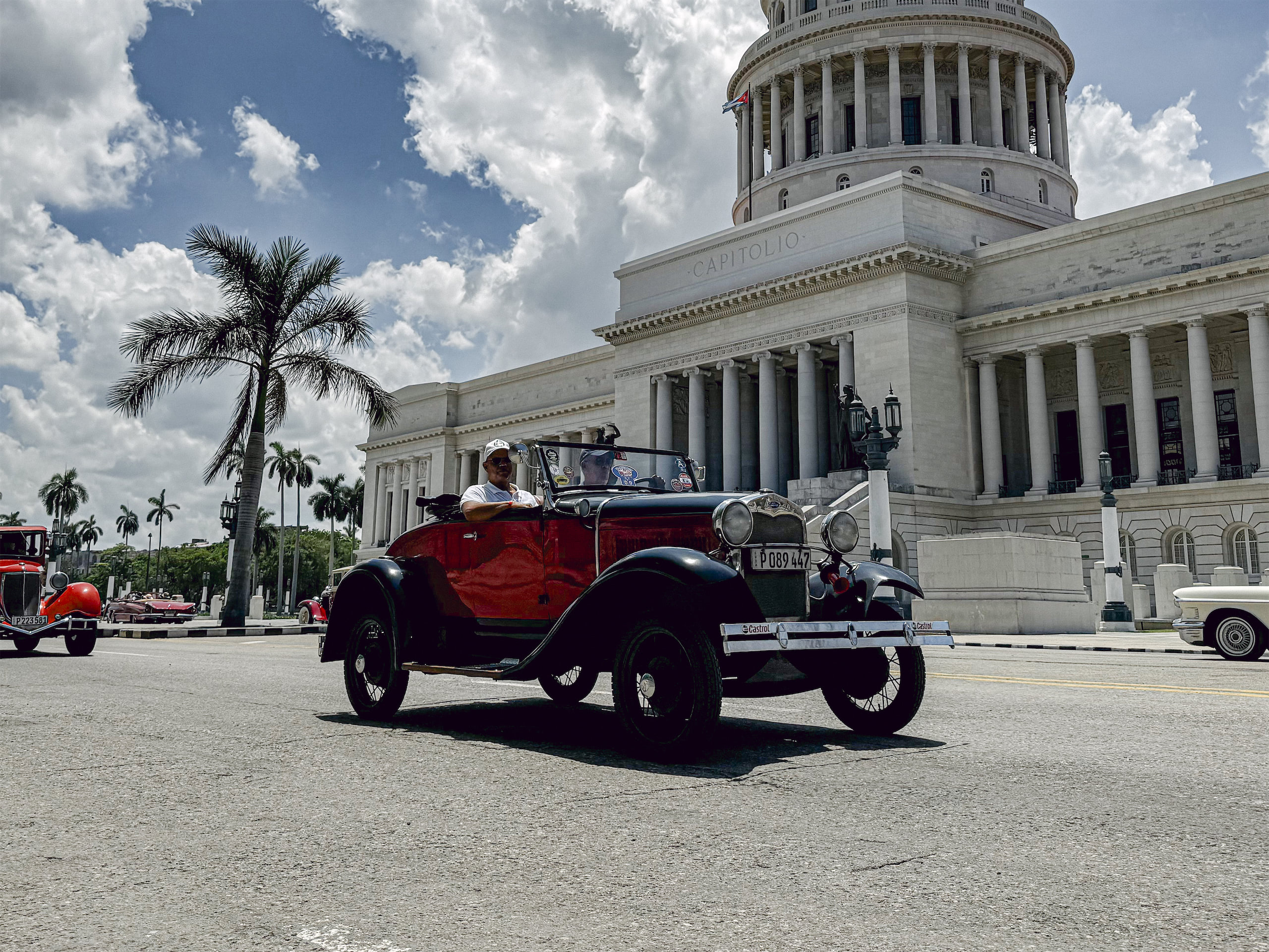
Ford Model A – 1929
Ford Model A – 1928
Ford Model A – 1930
Buick Invicta – 1960
The 1960 Buick Invicta represents the pinnacle of extravagant design and excessive size in American post-war automobiles. Its convertible body, with its endless hood and massive chrome grille, has been revitalized with a striking bright red color. However, the soul of this specimen is a Soviet V8 diesel engine – the 7-liter GAZ-542, used in trucks and military vehicles. This swap entails massive adaptations to the engine bay, fuel system, and motor mounts. The sound experience is completely different, replacing the purr of a gasoline V8 with the characteristic clatter of a large-displacement diesel. The power delivery is characterized by enormous torque at low revolutions, but with a very different power-to-weight ratio than the original. This project is a statement of principle, prioritizing rarity and mechanical ingenuity over authenticity or refined performance. The luxurious and spacious interior contrasts with the utilitarian nature of its powerplant. Driving this Invicta is a paradox on wheels, combining the floating smoothness of American suspension with the brute force of an industrial-origin engine. This 1960 Buick Invicta stands, therefore, as one of the most peculiar and conceptually bold custom exercises.
Cadillac Serie 62 – 1958
The 1958 Cadillac Series 62 stands as one of the most emblematic automobiles of "tailfin" design at its most extravagant. Its very long four-door "hardtop" body, with no central window frame, creates a profile that is both elegant and massive. The two-tone paint combination of Calcutta Cream with an Apple Green roof is a perfect example of late-1950s color palettes. Under the hood resides its original 365 cubic inch V8 engine, which, equipped with the "Air-Poised" fuel injection system or a four-barrel carburetor, generates 310 hp. This powerplant is coupled with the smooth and advanced 4-speed Hydra-Matic automatic transmission. The interior is a time capsule, with its fabric and vinyl benches, the "space capsule" dashboard, and the abundant chrome details, all in a state of perfect preservation. The driving experience is characterized by an extremely soft suspension that "floats" over bumps, prioritizing comfort above all else. Elements such as the dual headlights, the massive chrome grille, and above all, the very high tailfins with chrome-accented lights, make it unmistakable. This Cadillac is not just a car; it is a statement of status, power, and post-war technological optimism. Preserving a specimen in such an original state and with such a distinctive color combination makes it a museum piece on wheels.
Chevrolet Fleetmaster – 1947
The 1947 Chevrolet Fleetmaster is a symbol of the return to normality and optimism in post-war America. Its design, an evolution of pre-war models, features a robust body with integrated fenders and a chrome horizontal bar grille. The beige color it has been painted in highlights the simple elegance and high-quality construction that characterized the model. The heart of the automobile is its reliable 216.5 cubic inch "Blue Flame" inline-six engine, which produces 90 hp and considerable torque at low revolutions. This engine, coupled with a three-speed manual transmission, offers adequate performance for the era, prioritizing smoothness and reliability over top speed. The meticulous restoration ensures that every detail, from the fabric interiors to the chrome trim and the operation of its vacuum valve, is faithful to its factory condition. Driving this Fleetmaster is to experience the authentic feeling of mobility from the late 1940s: comfortable, solid, and honest. Its presence on the road evokes an era of simplicity and mechanical solidity. This 1947 Chevrolet Fleetmaster is, therefore, a perfectly preserved testament to the automobile that helped move a nation.
Ford Model A – 1929
The 1929 Ford Model A established itself as the successor that revitalized Ford with advanced technology and a contemporary design. Its two-door convertible body, with seating for four passengers, presents a cheerful and refined appearance. A top-level restoration returned it to its original Coconut White finish, accentuated with delicate blue pinstripes—a detail of supreme authenticity. Under the hood remains its original 200.5 cubic inch L-Head inline four-cylinder engine, which produces 40 hp and is noted for its smoothness and reliability compared to its predecessor. This engine is paired with a non-synchronized three-speed manual transmission, requiring the double-clutching technique for smooth gear changes. The interior, with its three-spoke steering wheel, black enamel instruments, and fabric upholstery, is a perfectly preserved time capsule. Elements such as the headlights, grille, and running boards are original pieces, maintaining 95% authenticity. Driving this automobile connects the pilot with an era of simple and tangible mechanics, where every sound and sensation is pure history. Preserving a Ford Model A to this level of originality is to honor the car that democratized modern driving. This specimen is, therefore, a rolling treasure for purist collectors.
Chevrolet Deluxe – 1952
This 1952 Chevrolet Deluxe represents the transition towards the "Jet Age" style while maintaining the mechanical solidity of the previous era. Its design features a wider, more integrated grille and fenders that begin to blend into the body. The stunning finish in dark emerald green with a white top is the original factory paint, a testament to its excellent preservation over the years. Under the hood is the 216.5 cubic inch "Thriftmaster" inline-six engine, known for its durability and low fuel consumption. This engine, with its low compression ratio, produces 90 hp and runs perfectly on regular gasoline. It is coupled with either a three-speed synchronized manual transmission. The interior has received slight modifications, which may include reupholstery with materials similar to the originals or the discreet addition of a modern radio. These alterations aim to enhance comfort without compromising the car's classic character. The driving experience is smooth and quiet, with a suspension designed to absorb road imperfections. This Chevrolet Deluxe is a perfect example of a usable classic, honoring its past with its original paint and engine, but adapting to the present with an updated interior.
VW Super Beetle – 1974
This 1974 Volkswagen Super Beetle Convertible represents the final evolution of the iconic Beetle, notable for still featuring its improved MacPherson front suspension that offers more trunk space. Its convertible body, with a canvas top, sports a vibrant green color that enhances its cheerful and carefree character. The heart of the automobile is its original 1.6-liter, air-cooled, four-cylinder boxer engine mounted in the rear. This engine, famous for its durability and mechanical simplicity, delivers 46 hp in its version for the North American market, equipped with emissions control systems. The body is in a "period-correct" state, where some chrome elements or moldings have been replaced with parts from other Beetle years, maintaining the brand's authenticity but not the exact specificity of the 1974 model. The driving experience with the top down is clear and enjoyable, taking advantage of the handling improvement offered by the Super Beetle's front suspension. The characteristic interior, with its padded dashboard and vinyl seats, retains the simple, functional charm of the model. This 1974 Super Beetle Convertible is an example of a well-preserved classic, where functionality and the spirit of the design prevail over absolute purity of every part. It represents the end of an automotive era, being one of the last original Beetles before being replaced by the Golf.
Ford Taunus – 1960
The 1960 Ford Taunus 17M P3 represents a crucial moment in Ford Germany's design, with its fenderless body and panoramic windshield. On this example, its iconic two-tone paint in white and yellow, divided by a chrome strip, is a characteristic feature of this "Cosmic Barrel." The original mechanics have been replaced by a Lada Zhiguli VAZ-2101 inline-four, 1.2-liter engine, a Russian powerplant known for its simplicity and wide parts availability. This engine swap, along with a 4-speed manual transmission, required creative adaptations in the engine bay. The interior has been modified over the years, with later-model seats and a modern sound system installation, prioritizing functionality over authenticity. A set of modern alloy wheels replaces the original steel wheels, slightly altering the car's visual character. This specimen is not a restoration but a rolling testament to decades of use, kept running with parts from the most accessible source at the time. The lack of restoration and the mix of parts give it a unique "patina" that narrates its long survival story. Driving this Taunus is to experience a peculiar fusion of Cold War engineering, uniting German and Soviet elements in a single chassis. This 1960 Ford Taunus is, therefore, a tribute to the automobile as a durable tool and an object of continuous adaptation.
Chevrolet Styleline Especial – 1950
The 1950 Chevrolet Styleline Special, originally a symbol of post-war family mobility, has been transformed into a machine with a racing soul. Its characteristic silhouette, with prominent fenders and a split windshield, is now wrapped in a vibrant black and yellow design that pays homage to the stock cars of the 60s and 70s. The heart of this project is the Argentine Chevrolet "230" engine, a 3.8-liter inline-six famous for its indestructible construction and low-end torque delivery. This mechanical choice gives it a unique personality, combining North American nostalgia with South American robustness. The addition of a 5-speed manual transmission allows the engine to be fully utilized, offering highway performance and fuel economy that were unthinkable for the original car. To complete the experience, the chassis and suspension have been modified to improve handling and safety, in line with its new power. The interior completely abandons originality, featuring a deep-dish steering wheel and a modern entertainment system with a screen and high-fidelity sound. This Styleline is not a restoration car, but a personal expression that prioritizes driving fun and a connection to performance car culture. Driving this automobile offers the paradoxical and thrilling experience of a 1950s classic with the capabilities of a modern car. This 1950 Chevrolet Styleline stands, ultimately, as a creative tribute to the spirit of racing and borderless engineering.
Lincoln Continental Mark II – 1956
The 1956 Lincoln Continental Mark II stands as one of the most exclusive and best-designed luxury automobiles in American history, created to be an uncompromising status symbol. Its body, notable for its lack of excessive ornamentation and its low, elegant profile, sports a beige color that enhances its timeless sophistication. The presence of this specimen in Cuba makes it an automotive rarity of incalculable value, a testament to the resilience and passion for classics on the island. Under its expansive hood lies its original 368 cubic inch V8 engine, which in its standard version produced around 285 horsepower, prioritizing smoothness and torque over extreme performance. While the mechanics remain true to their origin, the interior shows practical adaptations, such as the addition and modernization of instruments, reflecting meticulous care and a desire to monitor its mechanical health. The installation of modern-style American Racing wheels is a choice that honors "hot rod" culture and customizes its appearance, though it departs from the original wire wheels. Every detail of this Mark II tells a story of survival and adaptation in a resource-limited environment. Driving this automobile in Cuba is a unique experience, contrasting its innate luxury with the urban landscape, making it a rolling legend. This Lincoln Continental Mark II is not just a car; it is a solitary ambassador from an era of opulence and a heritage treasure for the Cuban automotive community.
Cadillac Eldorado – 1955
The 1955 Cadillac Eldorado stands as the most prestigious and technologically advanced model in the Cadillac lineup, created to compete with the world's finest luxury cars. Its design, characterized by the modest tailfins that foreshadowed the extravagance of coming years and its wide grille, looks impeccable in its original bright red color. The convertible version, with its canvas top and massive road presence, is the most coveted by collectors. Under the expansive hood resides its original 331 cubic inch "Eldorado" V8 engine, which, with its innovative four-carburetor system and high compression ratio, produces 270 hp, an impressive figure for the time. This engine is coupled with the Hydra-Matic transmission, considered one of the best automatics of its day. The restoration is close to 100% originality, meaning most of the body, upholstery, interior panels, and chrome trim are faithful to their factory condition, while a small portion mixes period-correct replacement parts with discreet modern repairs to ensure functionality. Elements like the distinctive "drum" instrument panel and the luxurious interior materials have been meticulously preserved. Driving this Eldorado offers the authentic experience of power and floating comfort that defined the "American Dream" at its peak. This 1955 Cadillac Eldorado is not just a car; it is a statement of mobile grandeur that encapsulates the optimism and ambition of an entire decade.
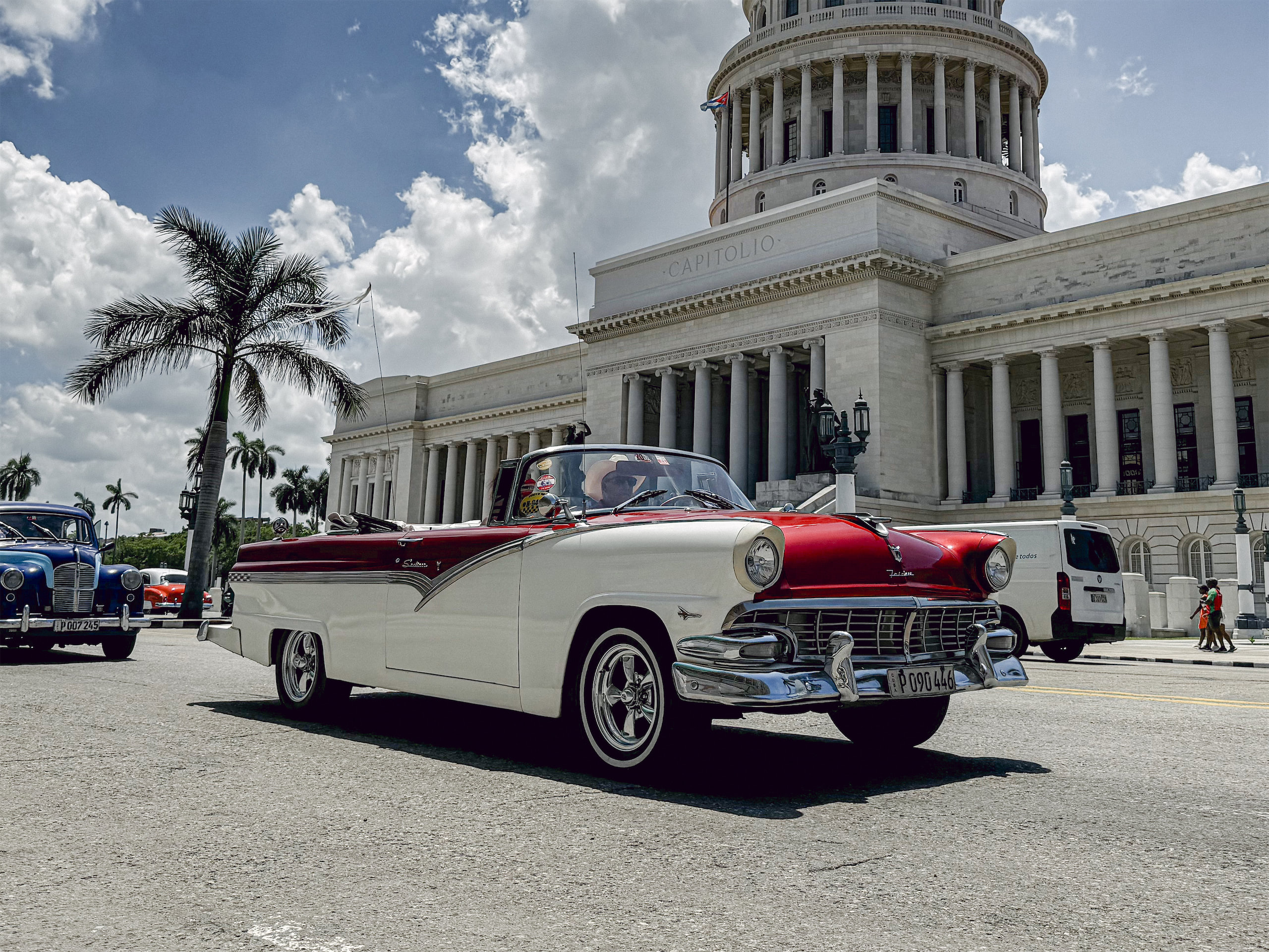
Ford Fairlane – 1956
The Ford Fairlane 1956 Sunliner represents the pinnacle of Ford's styling, with its signature optional "Crown Victoria" roof and long silhouette. Its two-door convertible body, with its vibrant red and white two-tone combination, is a symbol of the prosperity and optimism of the post-war era. The most radical modification of this specimen is the replacement of its original V8 with a modern Hyundai diesel engine, an inline-four turbocharged 2.2-liter unit. This change gives it a unique personality, prioritizing fuel efficiency and robust low-end torque over the sound and peak power of a gasoline V8. Adapting this engine requires extensive modifications to the chassis, fuel system, and electronics. The exterior is completed with a set of American Racing wheels, typical of hot rod culture, which improve grip and handling with low-profile tires. Despite the technical modifications, the interior is visually preserved in its original state, with its period-correct steering wheel, dashboard, and instruments, though it discreetly integrates a modern Bluetooth audio system. The driving experience is a sensory paradox: the visual appearance of a '50s classic combined with the smoothness and characteristic sound of a 21st-century diesel engine. This Fairlane does not seek authenticity, but rather functionality and personal expression, challenging the conventions of car collecting. This Ford Fairlane 1956 is, in essence, a crossroad of automotive cultures that turns a classic into an efficient and reliable cruiser for the modern world.
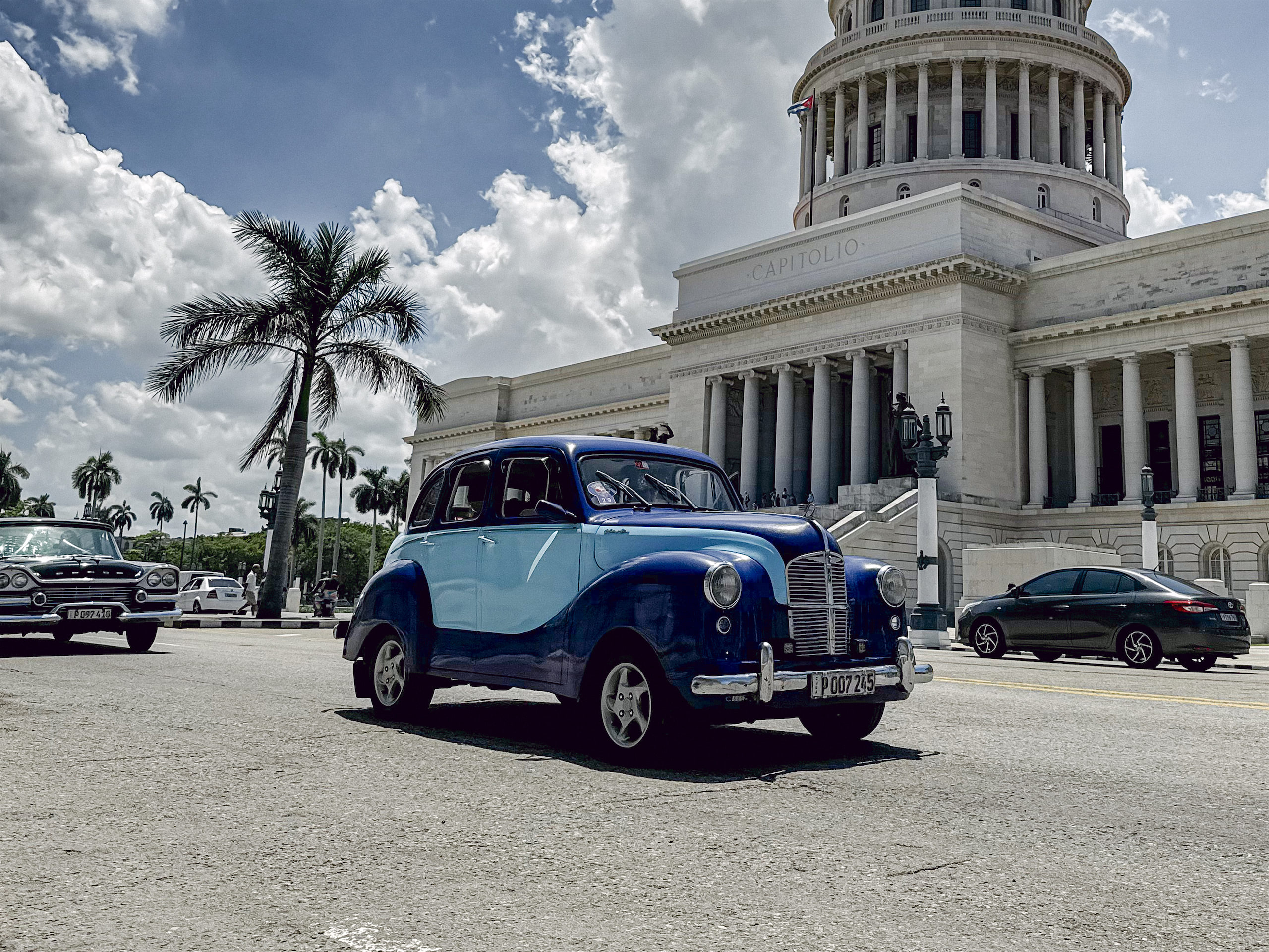
Austin Model A 40 – 1951
The 1951 Austin A40 Devon established itself as a key automobile for family mobility in post-war Europe, notable for its four-door body and compact size. Its design, the work of the Italian firm Pininfarina, introduced more modern and aerodynamic lines compared to its predecessors. The two-tone paint in light and dark blue accentuates its silhouette and reflects the chromatic style of the 1950s. Under the hood lies its original 1.2-liter inline four-cylinder engine, which produces around 40 horsepower and is characterized by its robustness and low fuel consumption. While the mechanics remain faithful, the interior has been customized with a renewed instrument panel and a sports steering wheel, aiming to improve the driver's experience. The installation of modern wheels not only updates its appearance but also improves its stability and handling with better-technology tires. This Austin A40 is an example of a discreet "restomod," where preserving the original engine is prioritized while updating elements for a more enjoyable use. Its driving experience offers a direct connection to an era of mechanical simplicity, now complemented by modern comforts. This automobile represents the perfect balance between respect for history and the needs of today's driver. The 1951 Austin A40 Devon remains, thus, a witness to a bygone era, transformed to endure through time.
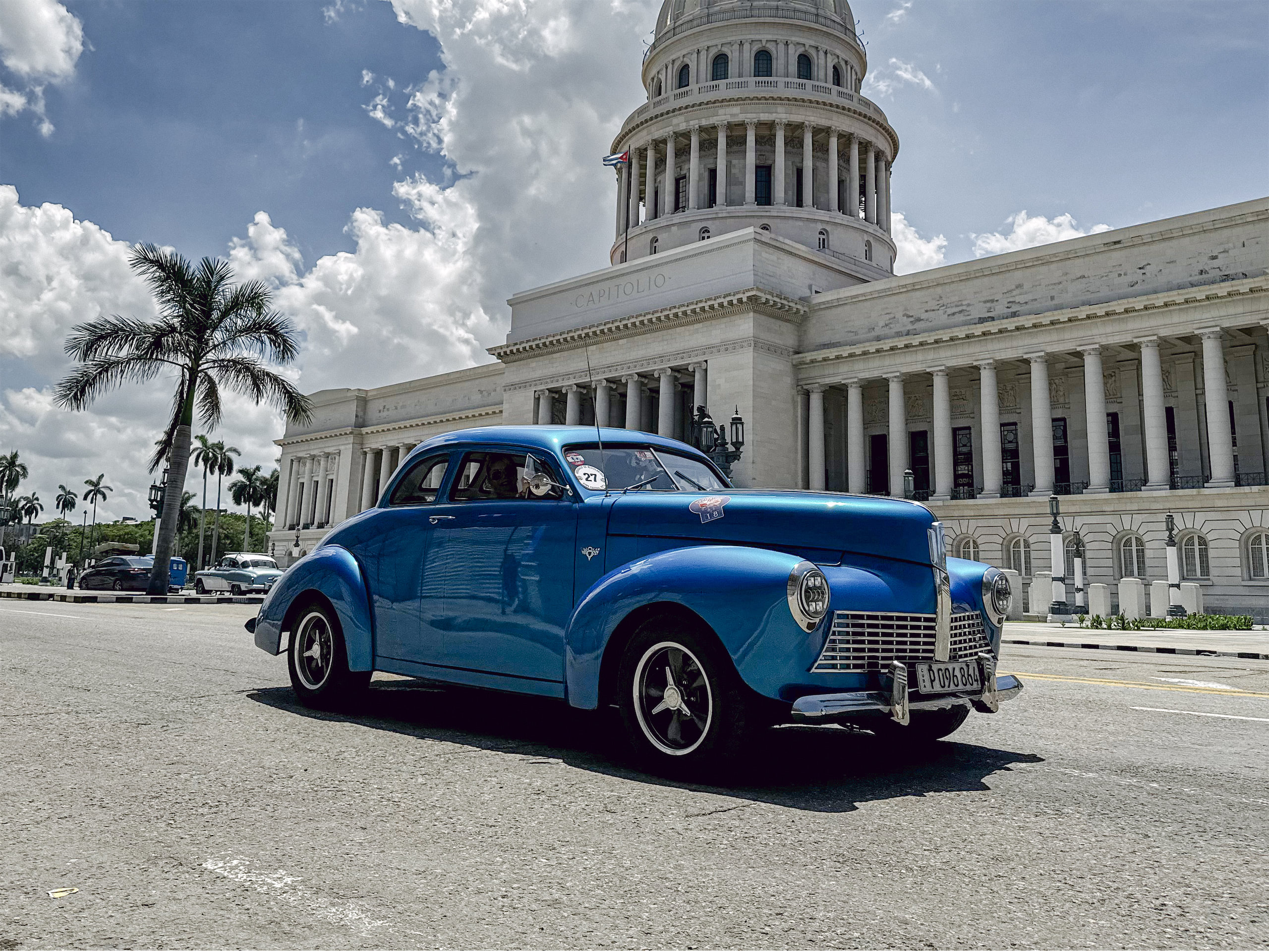
Studebaker Champion – 1941
The 1941 Studebaker Champion established itself in its time as an automobile of avant-garde design, with a low body and integrated trunk that set it apart from its contemporaries. Its two-door coupe form, now enhanced with a metallic blue paint, looks more contemporary than ever. This Champion has completely abandoned its original mechanics to become a "resto-mod" project with American components. Under the hood sits a 1956 Ford Y-Block V8 engine, typically of 272 cubic inches producing around 170 hp, chosen for its robustness and classic sound. This Ford engine is coupled to a Chevrolet Turbo-Hydramatic 350 automatic transmission, famous for its durability and wide parts availability. At the rear, a Ford Explorer differential provides a modern gear ratio and the necessary strength to handle the new power, also improving safety with rear disc brakes. The installation of American Racing wheels with low-profile tires improves the car's handling and aggressive appearance. This Studebaker is a perfect example of the "hot rod" philosophy of taking the best from each brand to create a unique and personalized vehicle. Driving this Champion offers 1940s aesthetics with the performance, reliability, and comfort of modern technology. This 1941 Studebaker Champion is, in essence, a celebration of automotive ingenuity that crosses brands and decades.
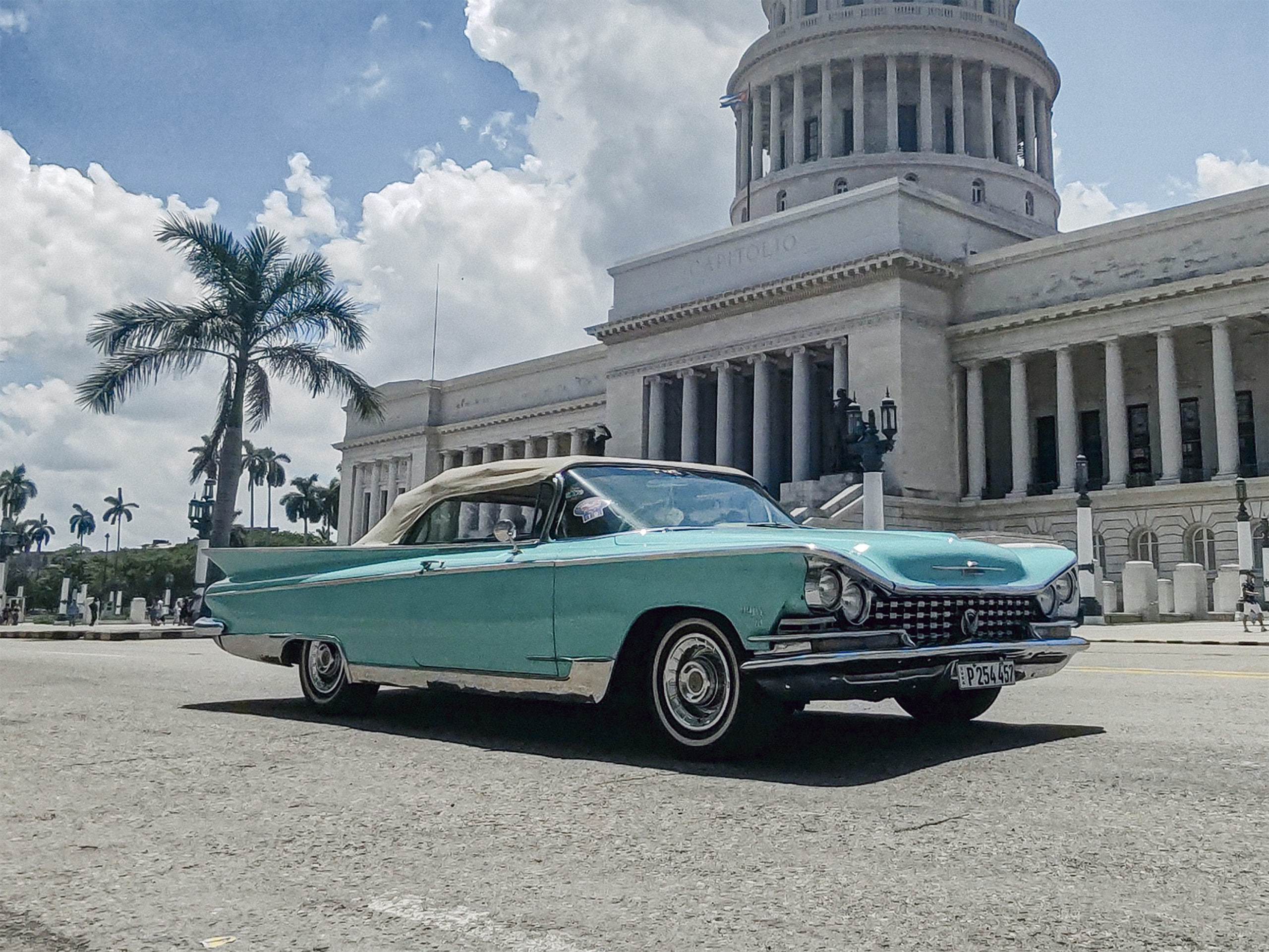
Buick Electra – 1959
The 1959 Buick Electra 225 represents the pinnacle of American automotive excess, with a body over 5.5 meters long and legendary tail fins. Its two-door convertible version, already rare, has been revitalized with a vibrant and contemporary aqua blue color. The most significant modification is the replacement of its luxurious "Nailhead" V8 engine with a Perkins 6-cylinder diesel engine, commonly used in agricultural machinery. This choice prioritizes durability, low maintenance cost, and high torque at low revolutions over the original speed and smoothness. Adapting this diesel engine required dedicated engineering to install it in the frame and couple it to the transmission. Despite the radical powertrain change, aesthetic authenticity has been maintained: all the chrome moldings, emblems, and grilles preserve the original Buick design. The finishing touch is provided by the hubcaps, which are an intelligent replacement from late-50s Cadillac models, a common interchangeable accessory at the time that adds a mixed character. This Electra is an adaptive survivor, a symbol of American luxury repurposed with a hard-working heart, reflecting a philosophy of practical preservation and ingenious customization. Driving this automobile is a unique sensory experience, combining the floating smoothness of a "Land Yacht" with the characteristic sound and vibration of a diesel engine. This 1959 Buick Electra is, ultimately, a testament to creativity and the love for classics in challenging conditions.
Dodge Mayfair – 1959
The 1959 Dodge Mayfair, part of Chrysler's "Forward Look" lineup, is an automobile notable for its bold design and enormous tail fins. Its two-door convertible version, with its long hood and spacious interior, is the embodiment of the luxury and optimism of the era. The choice of an intense red color for its body accentuates its flashy and festive character. The most radical modification is the replacement of its original gasoline V8 engine with a Hyundai L100 diesel engine, a 2.5-liter inline-four commonly found in modern trucks and SUVs. This engine swap aims for greater fuel efficiency and robust torque to move the heavy body, although it completely alters the original sound and acceleration experience. Installing this engine requires significant adaptations to the motor mounts, exhaust system, and vehicle electronics. The exterior is completed with a set of modern-design American Racing wheels, which not only update its appearance but also allow for the use of tires with better grip and response. While it loses mechanical authenticity, this Mayfair gains in practicality for modern use, becoming a "resto-mod" with its own personality. Driving this convertible offers the paradoxical sensation of a 1950s American classic with the smooth and economical operation of a 21st-century diesel powerplant. This 1959 Dodge Mayfair is, in essence, a fusion of automotive cultures that reinvents a classic for today's roads.
Plymouth Belvedere – 1956
The 1956 Plymouth Belvedere represents a turning point in the brand's design, adopting the revolutionary "Forward Look" by designer Virgil Exner. Its body, lower and wider than its predecessors, presents an aggressive appearance with its wraparound grille and incipient tail fins. The meticulous repaint in the original two-tone combination of green and white restores the car's 1950s showroom elegance and character. Under the hood resides its original 3.8-liter "HyDrive" inline-six engine, a powerplant famous for its smoothness, reliability, and economy, which delivered 117 hp. This engine is coupled with an innovative HyDrive semi-automatic transmission, which eliminated the clutch pedal. The interior is a perfectly preserved time capsule, with its fabric and vinyl seats in perfect condition, its chrome steering wheel, and its complete instrument panel with all functional gauges. Elements like the door handles, interior trim, and carpet show a genuinely cared-for car, not over-restored. The whitewall tires and full-body original hubcaps are the finishing touch that solidifies its authenticity. With 95% of its components being original, this Belvedere is not just a car; it is a rolling historical document that encapsulates the ambition and technological optimism of the mid-1950s. This 1956 Plymouth Belvedere is, therefore, a treasure for purist collectors and an exceptional testament to American engineering.
Chevrolet Bel Air – 1956
The 1956 Chevrolet Bel Air represents a crucial year in the evolution of the brand's design, with a more prominent grille and modest tailfins that heralded the style of the coming years. Its two-door convertible version, with its white canvas top, is one of the most coveted by collectors. The choice of white and sky blue colors, a period-correct combination, perfectly enhances the curves and chrome accents of its body. Under the hood lies its original 3.9-liter "Blue Flame" inline-six engine, which, with its flathead design and low-revving nature, delivered 140 hp and considerable torque, prioritizing durability and low operating costs. This engine is coupled with a Powerglide automatic transmission. The interior has been meticulously restored to its original factory condition, using materials and upholstery patterns faithful to those used in 1956. Elements such as the steering wheel, the instrument panel with its round gauges, and the door handles have been authentically restored. The whitewall tires and the characteristic full-body hubcaps are the finishing touches that restore its showroom appearance. Driving this Bel Air is to experience the essence of 1950s American cruising: relaxed, elegant, and with an unmistakable mechanical sound. This 1956 Chevrolet Bel Air is, therefore, an exceptional testament to a family car that has become a timeless legend.
Chevrolet Impala – 1973
The 1973 Chevrolet Impala is part of the model's fourth generation, characterized by a larger and heavier body, with simpler grilles and taillights due to new regulations. This four-door "pillarless" hardtop version presents a clean and spacious silhouette, accentuated by the contrast between its white body and red roof. The most significant modification is the replacement of its original engine with a Chevrolet LS3 6.2-liter engine, a modern-technology aluminum V8 that comfortably exceeds 400 horsepower. This engine swap requires adaptations to the chassis, electronics, and exhaust system to integrate the contemporary powerplant. While the interior maintains its original-era vinyl upholstery and dashboard, additional gauges have been installed to monitor the new engine's parameters. The combination of the typical floating comfort of Impalas with the explosive power and reliability of an LS engine creates a unique and versatile driving experience. This automobile does not seek authenticity, but rather the creation of a "sleeper" that hides brutal performance under a discreet and family-friendly appearance. Driving this 1973 Impala offers the paradox of a gigantic family sedan capable of performing like a modern muscle car. This 1973 Chevrolet Impala is, in essence, the ultimate reinvention of an American classic for the 21st century.